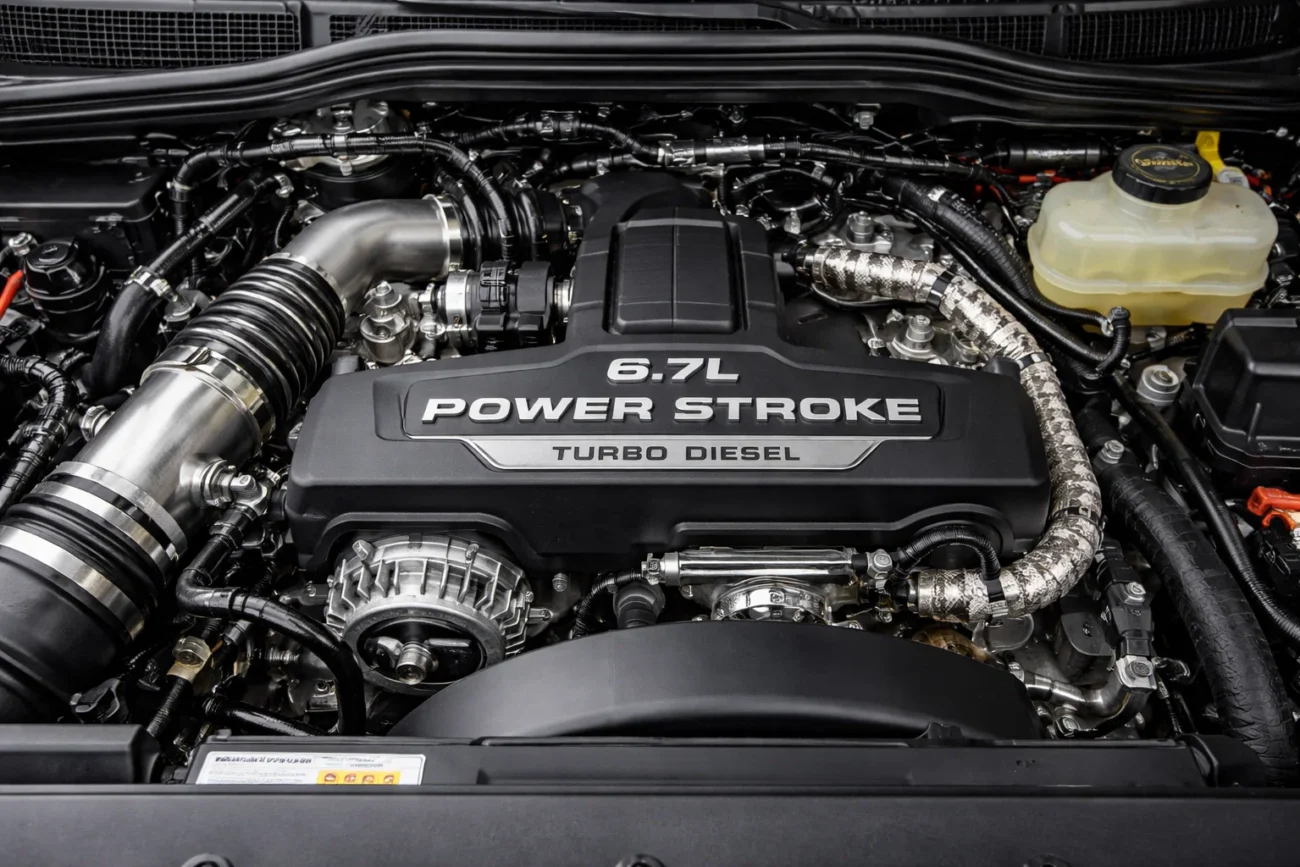
Introduction to the 6.7 Powerstroke Engine
The 6.7 Powerstroke is one of the most influential modern diesel engines developed for heavy-duty trucks, known for its blend of power, durability, and advanced engineering. Introduced by Ford in 2011, this engine was designed to replace earlier Powerstroke generations that faced challenges in emissions compliance and long-term reliability.
The 6.7 Powerstroke quickly gained attention for delivering strong towing capability, improved fuel efficiency, and significantly reduced noise compared to older diesel platforms. Built for demanding applications, it is widely used in Super Duty trucks and has become a benchmark in the diesel performance world.
Development History and Engineering Goals
The development of the 6.7 Powerstroke was driven by the need for a cleaner, more efficient, and more powerful diesel engine that could meet strict emissions standards without sacrificing performance. Earlier Powerstroke engines, while powerful, struggled with reliability and emissions compliance as regulations tightened. Ford engineers collaborated with advanced diesel technology specialists to create a completely new in-house engine rather than modifying previous designs.
The result was a compacted graphite iron (CGI) block design that improved strength while reducing weight. This engineering shift marked a turning point in Ford’s diesel strategy, emphasizing long-term durability and modern emissions control systems.
Engine Architecture and Design Features
The 6.7 Powerstroke features a unique reverse-flow configuration, meaning the intake system is positioned inside the engine’s V-shaped layout while the exhaust exits from the outer sides. This design shortens airflow paths, improves turbo response, and enhances thermal efficiency.
The engine uses a 90-degree V8 layout with a single sequential turbocharger system in most configurations. One of its most notable design choices is the use of a compacted graphite iron engine block, which is stronger than traditional cast iron yet lighter, allowing for better heat management and structural integrity under high stress.
Turbocharging System and Airflow Efficiency
A key highlight of the 6.7 Powerstroke is its advanced turbocharging system. The engine initially featured a single sequential turbocharger designed to provide smooth power delivery across a wide RPM range. Later versions introduced upgraded turbo designs with improved materials and faster spool times.
This system allows the engine to deliver strong low-end torque, which is essential for towing and hauling heavy loads. The turbocharging setup also helps reduce turbo lag, ensuring immediate throttle response even under demanding conditions. The improved airflow dynamics contribute significantly to both performance and fuel efficiency.
Power Output and Performance Capabilities
The 6.7 Powerstroke has seen multiple power upgrades since its introduction, reflecting Ford’s commitment to continuous improvement. Early versions produced impressive horsepower and torque figures, but newer iterations have pushed performance even further, making it one of the most capable diesel engines in its class.
The engine is particularly known for its high torque output, which is crucial for towing heavy trailers, construction equipment, and commercial loads. Its performance characteristics make it suitable for both work-oriented applications and recreational towing, such as RVs and boats.
Fuel Injection System and Combustion Technology
One of the most advanced aspects of the 6.7 Powerstroke is its high-pressure common rail fuel injection system. This system delivers precise amounts of fuel directly into the combustion chamber at extremely high pressures, resulting in more efficient and complete combustion. The improved injection timing reduces emissions while enhancing power output and fuel economy.
Multiple injection events per combustion cycle help smooth engine operation, reduce noise, and lower vibration levels. This level of precision engineering is one of the reasons the engine performs so efficiently compared to older diesel systems.
Emissions Control and Environmental Compliance
Modern diesel engines must meet strict environmental standards, and the 6.7 Powerstroke incorporates several technologies to comply with these regulations. It uses systems such as selective catalytic reduction (SCR), diesel particulate filters (DPF), and exhaust gas recirculation (EGR). These systems work together to reduce harmful emissions, including nitrogen oxides and particulate matter.
While emissions systems add complexity, they allow the engine to operate legally in global markets while maintaining strong performance. Ford has continuously refined these systems to improve reliability and reduce maintenance concerns.
Durability and Engine Longevity
Durability is one of the strongest selling points of the 6.7 Powerstroke. The use of a compacted graphite iron block significantly increases strength and resistance to high-pressure combustion cycles. Internal components such as forged steel crankshafts and heavy-duty connecting rods ensure the engine can withstand extreme workloads. Many owners report high mileage longevity when proper maintenance is followed. The engine is engineered to handle consistent towing and heavy-duty use, making it a reliable choice for commercial fleets and individual truck owners alike.
Common Issues and Reliability Concerns
While the 6.7 Powerstroke is generally considered reliable, it is not without its known issues. Some early models experienced turbocharger wear, fuel system contamination, and emissions system clogging. Over time, Ford addressed many of these concerns through updated parts and improved calibration. Regular maintenance is essential to ensure long-term reliability, including fuel filter changes, oil changes, and proper monitoring of emissions systems. When maintained correctly, the engine is capable of delivering strong performance for hundreds of thousands of miles.
Maintenance Requirements and Best Practices
Proper maintenance plays a crucial role in maximizing the lifespan of the 6.7 Powerstroke. Regular oil changes using high-quality diesel-rated oil are essential to protect internal components from wear. Fuel filters should be replaced at recommended intervals to prevent contamination of the high-pressure injection system.
Cooling system maintenance is also important due to the engine’s high thermal output under load. Keeping emissions systems clean and functional helps avoid performance degradation and costly repairs. Preventive maintenance is widely considered the key to long-term success with this engine.
Towing and Heavy-Duty Applications
The 6.7 Powerstroke is widely recognized for its exceptional towing capabilities, making it a favorite among contractors, farmers, and recreational users. Its high torque output allows it to pull heavy trailers with ease, while advanced transmission pairings ensure smooth power delivery under load. The engine maintains stability and performance even in challenging conditions such as steep grades or long-distance hauling. This makes it ideal for fifth-wheel trailers, equipment transport, and commercial hauling operations where reliability is critical.
Fuel Efficiency and Real-World Economy
Despite its power, the 6.7 Powerstroke is engineered to deliver competitive fuel efficiency for its class. Advanced fuel injection and turbocharging systems help optimize combustion, reducing unnecessary fuel consumption. Real-world fuel economy varies depending on load, driving conditions, and maintenance habits, but many users report strong efficiency for a heavy-duty diesel engine. Highway driving with moderate loads typically yields the best results, while heavy towing naturally reduces efficiency. Overall, it strikes a balance between power and economy that appeals to a wide range of users.
Transmission Pairing and Drivetrain Integration
The 6.7 Powerstroke is commonly paired with heavy-duty automatic transmissions designed to handle its torque output. These transmissions feature advanced shift logic, multiple gear ratios, and reinforced components to ensure smooth and reliable operation. The integration between engine and transmission is carefully tuned to maximize performance under both light and heavy loads. This synergy allows for efficient cruising on highways as well as controlled power delivery during towing and off-road conditions.
Aftermarket Modifications and Performance Upgrades
The 6.7 Powerstroke has a strong aftermarket community, with many owners exploring performance upgrades. Common modifications include upgraded turbochargers, performance tuning modules, exhaust system enhancements, and improved intake systems. These modifications can significantly increase horsepower and torque, but they must be carefully managed to avoid stressing engine components. While tuning can unlock additional performance potential, it is important to balance upgrades with reliability and emissions compliance.
Driving Experience and Noise Reduction
One of the noticeable improvements of the 6.7 Powerstroke compared to older diesel engines is its refined driving experience. Engine noise has been significantly reduced through improved design and sound-dampening technologies. The engine runs smoother, with less vibration and more predictable power delivery. This makes long-distance driving more comfortable, especially in modern Super Duty trucks equipped with advanced cabin insulation and suspension systems.
Technological Advancements and Modern Features
The 6.7 Powerstroke incorporates modern electronic controls that monitor and optimize engine performance in real time. Sensors track parameters such as exhaust temperature, fuel pressure, and turbo boost levels to ensure efficient operation. These systems allow for adaptive performance adjustments that improve reliability and efficiency. Integration with vehicle onboard diagnostics also helps drivers and technicians quickly identify potential issues before they become serious problems.
Comparison With Earlier Powerstroke Generations
Compared to earlier Powerstroke engines, the 6.7 represents a major leap forward in terms of engineering, emissions compliance, and drivability. Older engines were often criticized for noise, complexity, and reliability concerns under heavy emissions regulations. The 6.7 addresses many of these issues with a cleaner design, improved materials, and more advanced control systems. It offers significantly better torque output and smoother performance, making it a preferred choice for modern diesel truck buyers.
Future of the 6.7 Powerstroke Platform
The future of the 6.7 Powerstroke is likely to involve continued refinement rather than complete replacement in the near term. As emissions standards become stricter and technology advances, Ford will likely continue updating fuel systems, turbo designs, and electronic controls. Hybrid diesel technologies and further efficiency improvements may also play a role in future iterations. The engine’s strong foundation ensures it will remain a key part of Ford’s heavy-duty lineup for years to come.
Conclusion
The 6.7 Powerstroke stands as one of the most respected diesel engines in the heavy-duty truck segment due to its combination of power, durability, and modern engineering. It successfully balances performance demands with environmental responsibility, making it suitable for both commercial and personal use. With strong towing capability, advanced technology, and continuous improvements over time, it remains a benchmark in diesel engine design. Whether used for work, travel, or heavy hauling, the 6.7 Powerstroke continues to demonstrate why it is considered a leader in its class.
You May Also Read: Twins vs Guardians
