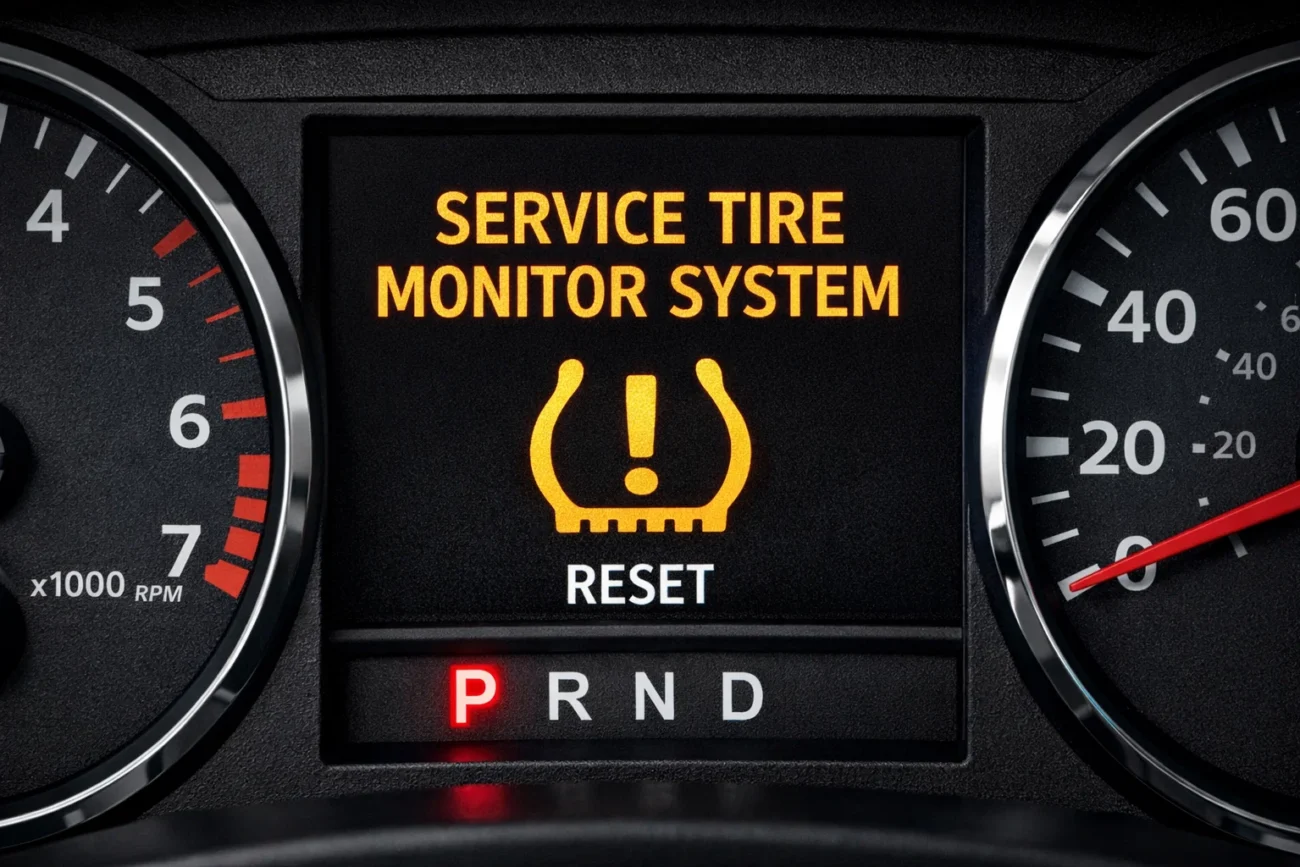
The “service tire monitor system” is an essential feature in modern vehicles, designed to enhance safety, improve driving performance, and prevent unexpected tire-related issues. This system, commonly referred to as the Tire Pressure Monitoring System (TPMS), continuously monitors the air pressure inside your vehicle’s tires and alerts you when levels drop below the recommended range. When the warning “service tire monitor system” appears on your dashboard, it indicates that there may be a malfunction within the monitoring system itself rather than just low tire pressure.
How It Works in Modern Vehicles
The service tire monitor system operates using sensors installed inside each tire or wheel assembly. These sensors measure the air pressure and sometimes temperature within the tire and transmit this data wirelessly to the vehicle’s onboard computer. When the pressure falls below the manufacturer’s recommended level, the system triggers a warning light on the dashboard. However, when the system itself experiences a fault, the message “service tire monitor system” appears instead of a simple low-pressure warning.
There are generally two types of TPMS: direct and indirect. Direct systems use physical sensors inside the tires, while indirect systems rely on wheel speed data from the anti-lock braking system (ABS) to estimate tire pressure. The service tire monitor system is more commonly associated with direct TPMS because of its reliance on electronic sensors, which can fail or require maintenance over time.
Common Causes of Warning Messages
When you see the “service tire monitor system” alert, it can be caused by several factors. One of the most common reasons is a faulty or dead sensor battery. TPMS sensors are powered by small batteries that typically last between 5 and 10 years, after which they need replacement. Another cause could be damaged sensors due to road hazards, tire changes, or improper installation. Environmental factors such as extreme temperatures can also affect sensor performance, triggering the service tire monitor system warning.
Issues with the vehicle’s onboard computer or communication system can lead to inaccurate readings or system malfunctions. In some cases, the warning may appear after installing new tires or wheels that are not compatible with the existing TPMS setup, requiring recalibration or reprogramming of the system.
Importance of Road Safety
The service tire monitor system plays a critical role in ensuring road safety. Properly inflated tires provide better traction, improved handling, and shorter braking distances. When the system is functioning correctly, it helps drivers avoid dangerous situations caused by underinflated or overinflated tires. Ignoring the “service tire monitor system” warning can lead to undetected tire issues, increasing the risk of blowouts or accidents.
Maintaining proper tire pressure contributes to even tire wear, extends the lifespan of your tires, and reducing the likelihood of sudden failures. The service tire monitor system acts as an early warning system, allowing drivers to address potential problems before they escalate into serious safety concerns.
Impact on Fuel Efficiency and Performance
Beyond safety, the service tire monitor system also affects your vehicle’s fuel efficiency and overall performance. Underinflated tires create more rolling resistance, causing the engine to work harder and consume more fuel. This not only increases fuel costs but also contributes to higher carbon emissions. When the service tire monitor system is functioning properly, it helps maintain optimal tire pressure, ensuring better fuel economy and smoother driving.
Proper tire pressure improves steering responsiveness and stability, making your driving experience more comfortable and controlled. Addressing any issues indicated by the “service tire monitor system” warning can therefore have both economic and environmental benefits.
Troubleshooting and Diagnosis
Diagnosing issues with the service tire monitor system requires a systematic approach. The first step is to check the tire pressure manually using a reliable gauge to ensure that all tires are inflated to the recommended levels. If the pressure is correct and the warning persists, the problem likely lies within the system itself. Using a diagnostic tool or visiting a professional mechanic can help identify faulty sensors or communication errors. In some cases, simply resetting the system may resolve the issue.
This can often be done through the vehicle’s settings menu or by following specific procedures outlined in the owner’s manual. However, if the problem is due to damaged sensors or wiring, replacement or repair will be necessary to restore the service tire monitor system to proper functionality.
Seasonal Effects and Environmental Influence
The “service tire monitor system” is highly sensitive to seasonal changes and environmental conditions, which can significantly influence its performance and accuracy. During colder months, tire pressure naturally decreases due to the contraction of air molecules, often triggering warnings even when there is no actual leak or system fault. This can sometimes lead drivers to mistakenly believe there is an issue with the service tire monitor system itself.
Conversely, in hotter climates, increased temperatures can cause tire pressure to rise, potentially leading to overinflation if not monitored properly. Humidity, road conditions, and altitude also play subtle roles in affecting tire pressure readings. Understanding how environmental factors interact with the service tire monitor system helps drivers interpret warnings more accurately and take appropriate action rather than ignoring alerts or assuming system failure.
Calibration and Reset Procedures
Calibration is a crucial aspect of maintaining the accuracy of the “service tire monitor system.” After tire rotations, replacements, or adjustments in pressure, the system often requires recalibration to ensure it correctly interprets data from each sensor. Different vehicles have varying reset procedures, which may involve pressing a reset button, navigating through the vehicle’s infotainment system, or driving for a certain distance to allow the system to relearn sensor positions.
Failure to recalibrate can result in persistent warnings or incorrect readings, making it seem like the service tire monitor system is malfunctioning. Proper calibration ensures that each sensor communicates accurately with the vehicle’s control unit, providing reliable alerts and maintaining optimal performance.
Role in Preventive Maintenance
The “service tire monitor system” plays a vital role in preventive vehicle maintenance by alerting drivers to issues before they become serious problems. Instead of waiting for visible signs such as uneven tire wear or noticeable handling issues, the system provides early warnings that allow for timely intervention. This proactive approach reduces the likelihood of costly repairs and enhances overall vehicle reliability.
By paying attention to the service tire monitor system alerts and addressing them promptly, drivers can prevent minor issues from escalating into major safety concerns. This makes the system an integral part of modern vehicle maintenance strategies, aligning with the broader trend of using technology to improve efficiency and safety.
Maintenance Tips for Longevity
Regular maintenance is key to keeping the service tire monitor system in good working condition. This includes routine tire inspections, ensuring proper inflation, and checking for signs of wear or damage. During tire rotations or replacements, it is important to handle TPMS sensors carefully to avoid damage. Many automotive professionals recommend replacing sensor batteries or the sensors themselves when installing new tires, especially if the vehicle is several years old.
Keeping the system calibrated and updated can also prevent false warnings and ensure accurate readings. By taking proactive steps, drivers can minimize the likelihood of encountering the “service tire monitor system” alert and maintain optimal vehicle performance.
Cost of Repair and Replacement
The cost of repairing or replacing components of the service tire monitor system can vary depending on the issue and the type of vehicle. Replacing a single TPMS sensor can range from moderate to relatively expensive, especially when labor costs are included. If multiple sensors need replacement, the overall cost can increase significantly.
Reprogramming or recalibrating the system may require specialized equipment, adding to the expense. Despite these costs, addressing issues promptly is essential to avoid more serious problems and ensure continued safety on the road. Investing in the maintenance of the service tire monitor system can ultimately save money by preventing tire damage and improving fuel efficiency.
Differences Across Vehicle Brands
The implementation of the service tire monitor system can vary across different vehicle brands and models. Some manufacturers use advanced systems with additional features such as real-time pressure displays and temperature monitoring, while others rely on simpler warning indicators.
The procedures for resetting or servicing the system may also differ, making it important for drivers to consult their vehicle’s manual or seek professional assistance when needed. Understanding these differences can help drivers effectively manage and maintain their service tire monitor system, ensuring consistent performance regardless of the vehicle they drive.
Technological Advancements and Future Trends
As automotive technology continues to evolve, the service tire monitor system is becoming more sophisticated. Modern systems are integrating with other vehicle technologies, such as advanced driver-assistance systems (ADAS), to provide comprehensive safety solutions.
Future developments may include enhanced sensor accuracy, longer battery life, and improved connectivity with mobile devices, allowing drivers to monitor tire conditions remotely. These advancements will further enhance the reliability and functionality of the service tire monitor system, making it an even more valuable component of modern vehicles.
Final Thoughts
The service tire monitor system is a vital feature that contributes to vehicle safety, efficiency, and performance. Understanding how the system works, recognizing the causes of warning messages, and taking appropriate action are essential for every driver.
Whether it involves simple maintenance or more complex repairs, addressing issues promptly ensures that the system continues to function effectively. By prioritizing the care and maintenance of the service tire monitor system, drivers can enjoy a safer and more efficient driving experience while avoiding unnecessary costs and complications.
You May Also Read: boston celtics vs miami heat match player stats
