Understanding Semana Santa 2025: An Overview
Semana Santa 2025, or Holy Week 2025, is one of the most significant religious and cultural events in Spain and many Latin American countries. Observed during the week leading up to Easter Sunday, Semana Santa 2025 is a period filled with processions, religious rituals, and deep-rooted traditions that date back centuries. This celebration is not only a reflection of religious devotion but also a showcase of art, music, and community participation.
Semana Santa 2025 marks an essential moment in the Christian liturgical calendar. It commemorates the Passion, Death, and Resurrection of Jesus Christ, and each day of the week holds specific religious significance. Palm Sunday, Maundy Thursday, Good Friday, and Easter Sunday are observed with distinct rituals, with processions often involving large, ornate floats, traditional music, and participants dressed in penitential robes.
The History and Origins of Semana Santa 2025
The origins of Semana Santa 2025 can be traced back to medieval Spain, when religious brotherhoods, known as “cofradías” or “hermandades,” began organizing processions to educate the public about the life and suffering of Christ. Over time, these processions evolved into elaborate displays of devotion and artistry. Semana Santa 2025 reflects centuries of religious, social, and artistic development, combining theatrical storytelling with deeply spiritual rituals.
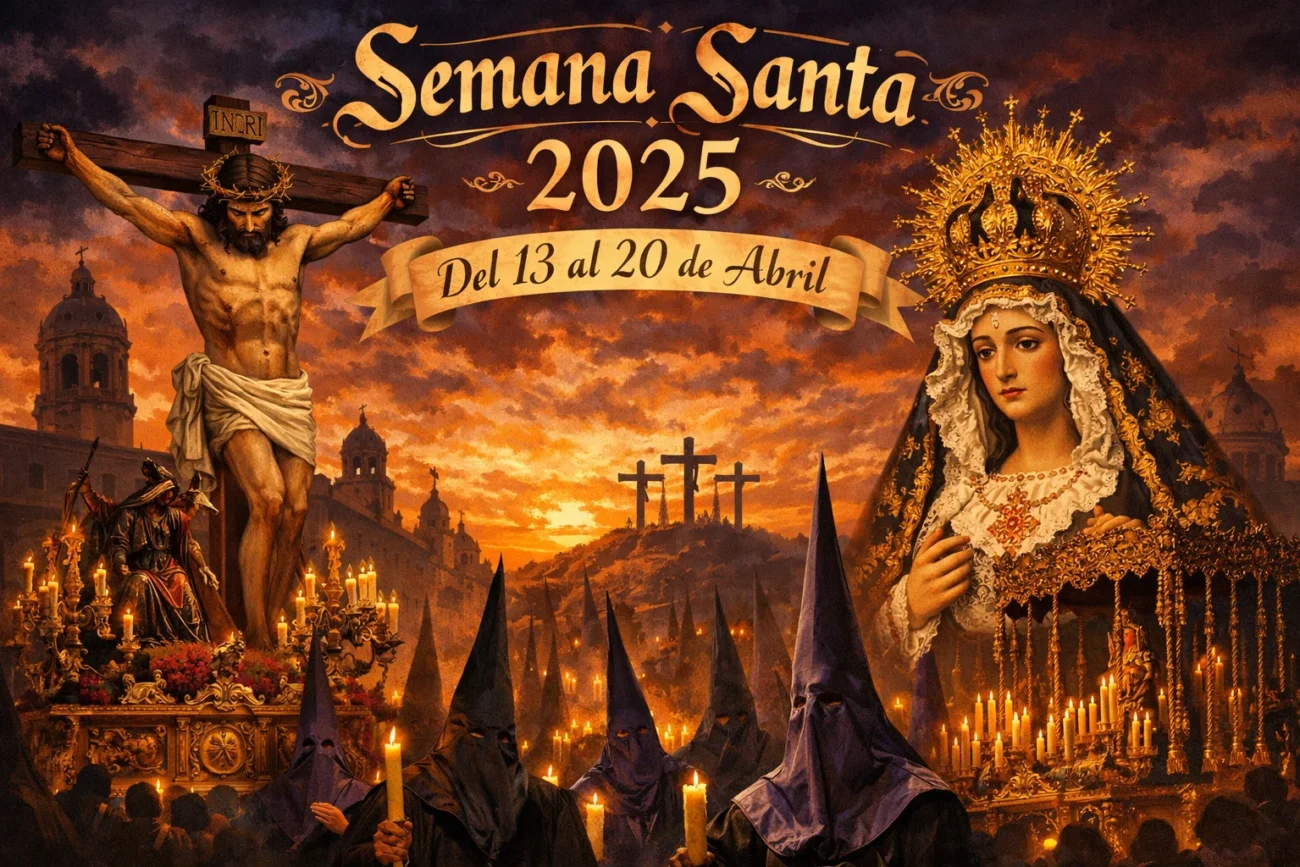
During Semana Santa 2025, religious brotherhoods take to the streets, carrying pasos—large floats adorned with statues representing scenes from the Passion of Christ. Each paso is a work of art, often crafted by renowned artisans, featuring intricate carvings, lifelike figures, and luxurious textiles. The devotion and dedication of these brotherhoods ensure that Semana Santa 2025 remains an authentic expression of faith, connecting contemporary observers with traditions that span generations.
When Does Semana Santa 2025 Take Place?
Semana Santa 2025 will be observed from Sunday, April 13, to Sunday, April 20, 2025, following the Christian liturgical calendar. The week begins with Palm Sunday, commemorating Jesus’ triumphant entry into Jerusalem, and concludes with Easter Sunday, celebrating his resurrection. During this time, cities across Spain and Latin America come alive with religious processions, music, and community gatherings.
Planning for Semana Santa 2025 often begins months in advance, as religious brotherhoods prepare their pasos, costumes, and schedules. Tourists interested in attending Semana Santa 2025 are advised to book accommodations early, as major cities like Seville and Málaga experience a significant influx of visitors during this period. The timing of Semana Santa 2025 also aligns with spring, offering pleasant weather that enhances the experience of walking through historic streets lined with spectators.
Semana Santa 2025 Traditions and Customs
Semana Santa 2025 is rich in customs that vary from region to region, but several practices are common across the participating countries. One of the most iconic traditions is the procession, where members of religious brotherhoods carry pasos through the streets while penitents, known as nazarenos, walk barefoot or wear traditional robes. The slow, deliberate pace of these processions symbolizes penance, reflection, and devotion.
Another tradition during Semana Santa 2025 is the use of music, particularly saetas, a type of flamenco-style religious song sung spontaneously from balconies or within processions. These songs are deeply emotional, expressing grief, reverence, and spiritual longing. Candlelit processions, incense, and dramatic visual displays create an atmosphere that is both solemn and mesmerizing.
The Significance of Semana Santa 2025 in Modern Society
While Semana Santa 2025 is deeply rooted in religious tradition, it has also evolved into a major cultural event that attracts tourists, artists, and historians. The celebration provides a unique opportunity for local communities to come together and preserve their heritage, while also serving as an educational experience for visitors. Semana Santa 2025 is more than a religious observance—it is a living history lesson that highlights centuries of art, music, and social customs.
For younger generations, Semana Santa 2025 serves as a bridge between past and present. Many families involve children in the preparation and participation in processions, ensuring that these traditions continue. Furthermore, the festival contributes to local economies by promoting tourism, crafts, and culinary traditions. Semana Santa 2025 thus holds both spiritual and societal importance, demonstrating how faith, culture, and community are intertwined.
Top Destinations to Experience Semana Santa 2025
Several cities in Spain and Latin America are renowned for their Semana Santa celebrations, and each offers a unique perspective on this sacred week. Seville is arguably the most famous, with over 60 brotherhoods organizing processions that draw thousands of spectators. Semana Santa 2025 in Seville features grand pasos, vibrant robes, and elaborate ceremonies that reflect centuries of tradition.
In Málaga, Semana Santa 2025 is characterized by processions that combine solemnity with dramatic spectacle. The city is known for its impressive pasos and strong local participation, including families and youth groups. Latin American countries, such as Guatemala and Mexico, also host memorable Semana Santa 2025 events, often integrating local cultural elements, such as colorful carpets made from dyed sawdust and flowers that line the streets for processions.
Culinary Traditions During Semana Santa 2025
Semana Santa 2025 is not only a visual and spiritual experience but also a culinary one. Traditional foods associated with Holy Week reflect religious practices, such as abstaining from meat and focusing on fish and vegetarian dishes. Popular treats include torrijas, a sweet bread soaked in milk and eggs, often flavored with cinnamon and honey. Other regional specialties include baked goods, pastries, and stews prepared for communal meals and gatherings.
Food during Semana Santa 2025 also serves a symbolic purpose. Many dishes are tied to rituals of penance and reflection, reinforcing the spiritual themes of the week. Local markets and bakeries often display festive products, attracting both locals and tourists eager to taste these unique seasonal flavors.
Artistic Expression in Semana Santa 2025
Semana Santa 2025 is a celebration of art in its many forms. The pasos themselves are masterpieces of sculpture and design, often depicting the most poignant moments of Christ’s Passion with lifelike detail. Traditional robes and hoods worn by participants showcase intricate embroidery and craftsmanship, while churches and public spaces are adorned with flowers, candles, and religious imagery.
Photography, painting, and film also play a role in documenting Semana Santa 2025. Artists are inspired by the emotional intensity and visual spectacle of the processions, creating works that preserve the event for future generations. In this way, Semana Santa 2025 is not only a religious ritual but also an ongoing celebration of human creativity and cultural heritage.
The Role of Music in Semana Santa 2025
Music is central to the atmosphere of Semana Santa 2025. Brass bands accompany many processions, providing a rhythmic and solemn soundtrack that enhances the emotional impact of the floats and rituals. In Andalusia, the saeta—a passionate, flamenco-style song sung from balconies—serves as a spontaneous expression of devotion and grief.
The careful coordination of music, movement, and visual presentation during Semana Santa 2025 creates an immersive experience. For participants and spectators alike, the music is a reminder of the spiritual gravity of the week, as well as a celebration of cultural identity.
Semana Santa 2025 and Tourism
Semana Santa 2025 has become a significant draw for international tourism. Cities hosting major processions see a surge of visitors eager to witness the spectacle and participate in the cultural experience. Tourists are drawn not only to the religious aspects of Semana Santa 2025 but also to the historic architecture, local cuisine, and festive ambiance that accompany the celebrations.
Traveling to experience Semana Santa 2025 offers unique opportunities for cultural exchange and learning. Visitors can attend processions, explore historic neighborhoods, and engage with local artisans and performers. As a result, Semana Santa 2025 is a vital component of cultural tourism, enhancing the global visibility of traditional Spanish and Latin American practices.
Preparing for Semana Santa 2025: Tips for Visitors
To fully enjoy Semana Santa 2025, planning and preparation are essential. Visitors should consider booking accommodations well in advance, particularly in cities like Seville and Málaga. Understanding the schedule of processions, local customs, and etiquette is also important. For example, respectful behavior during religious ceremonies, dressing appropriately, and refraining from loud distractions are key to a meaningful experience.
For photography enthusiasts, Semana Santa 2025 offers countless opportunities to capture dramatic and emotional moments. However, it is essential to maintain a respectful distance from participants and ceremonial floats. Engaging with local guides can provide deeper insight into the historical and spiritual significance of Semana Santa 2025, ensuring a richer and more memorable visit.
Semana Santa 2025 in Latin America
In addition to Spain, Semana Santa 2025 is celebrated with unique regional variations throughout Latin America. In Guatemala, for example, elaborate alfombras—colorful carpets made from dyed sawdust, flowers, and fruits—decorate the streets for processions. Mexico is known for combining indigenous traditions with Catholic rituals, creating a vibrant and immersive Semana Santa 2025 experience.
These regional differences highlight the adaptability and cultural richness of Semana Santa 2025. While the core religious message remains consistent, local communities infuse the celebrations with artistic, culinary, and musical traditions that reflect their distinct heritage. For tourists and pilgrims alike, Semana Santa 2025 in Latin America offers an unforgettable blend of devotion, culture, and festivity.
The Spiritual Importance of Semana Santa 2025
At its heart, Semana Santa 2025 is a deeply spiritual observance. It provides an opportunity for reflection, repentance, and renewal, allowing participants to engage with the story of Christ’s Passion in a profound way. The rituals, processions, and ceremonies are designed to evoke empathy, contemplation, and devotion, making Semana Santa 2025 an emotionally and spiritually enriching experience.
Many participants describe a sense of connection and transcendence during Semana Santa 2025, as centuries of tradition converge with contemporary faith practices. Whether attending as a devoted pilgrim or as a curious visitor, Semana Santa 2025 offers a chance to witness the enduring power of faith and communal devotion.
Conclusion
Semana Santa 2025 is more than a religious festival; it is a celebration of culture, community, art, and spirituality. From the intricate pasos and haunting saetas to the colorful street carpets and festive meals, every aspect of Semana Santa 2025 reflects a rich tapestry of tradition. For centuries, it has united communities, preserved heritage, and inspired awe in participants and observers alike.
As Semana Santa 2025 approaches, it offers a unique opportunity to experience history, spirituality, and culture firsthand. Whether in the bustling streets of Seville, the intimate neighborhoods of Granada, or the vibrant cities of Latin America, Semana Santa 2025 remains a testament to human creativity, devotion, and the enduring power of shared tradition.
You May Also Read: Colts vs 49ers match player stats
