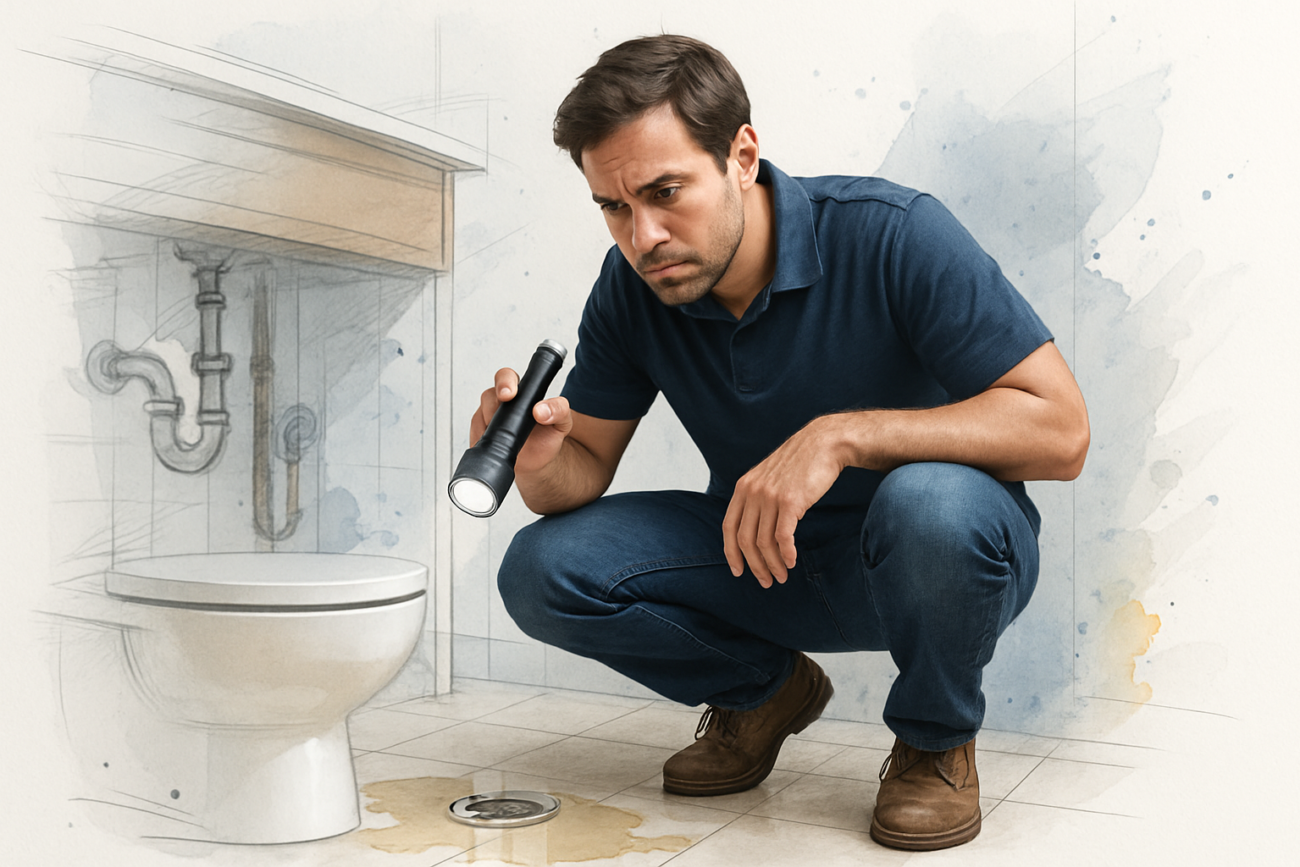
When one sink drains slowly, the problem is often local. It may be hair in the bathroom waste, grease in the kitchen line or debris close to the fixture. But when toilets, showers, baths, basins and floor drains all start backing up together, the situation is different.
Multiple fixtures reacting at once usually points to a problem in the main sewer line or a shared drainage section. This is more urgent than a single blocked drain because wastewater has fewer places to go. A blocked drain plumber Sydney homeowners call in this situation will usually focus on the main line first, not just the nearest fixture.
Why Multiple Fixtures Back Up Together
The drainage system in a home is connected. Individual fixtures discharge into branch lines, and those lines eventually connect to the main sewer drain. If a small branch line blocks, only the fixtures on that branch are usually affected. If the main line blocks, wastewater from the whole house can be restricted.
This is why water may rise in a shower when the toilet is flushed, or a floor waste may overflow when the washing machine empties. The water is trying to leave the property, but the main path is blocked or partly collapsed. It then pushes back through the lowest available outlet.
Common causes include tree roots, collapsed pipes, heavy grease build-up, wipes, foreign objects, ground movement or ageing clay pipework.
Why This Is Often Misread
Many homeowners begin by trying to fix the fixture where the water appears. If the shower drain overflows, they treat the shower as the problem. If the toilet bubbles, they try plunging the toilet. While this is understandable, the visible backup may only be the lowest escape point.
Misreading the issue wastes time because the blockage may be metres away from the fixture. Plunging one toilet or pouring cleaner down one drain will not solve a main line restriction. It may create temporary movement, but the pressure in the system will return as soon as more water is used.
The clue is connection. If one fixture affects another, the problem is rarely isolated.
Warning Signs of a Main Line Problem
The strongest warning sign is several drains backing up at the same time. Other signs include toilets gurgling when showers run, water rising in floor drains after laundry use, sewage smells near internal drains, outdoor overflow points discharging, or wastewater appearing in low-level fixtures.
A main line problem may also become more obvious during heavy use, such as when several people shower, the washing machine drains, or toilets are flushed repeatedly. In Sydney homes with older drains, large trees or narrow blocks, the main line may also be affected by root intrusion or pipe movement over time.
If sewage is involved, it is best to stop using water where possible until the system is checked.
Risks of Delaying Action
A main sewer blockage can escalate quickly because normal household water has nowhere to go. Continued use may push wastewater back into bathrooms, laundries or outdoor areas. This creates unpleasant odours, cleaning problems and potential hygiene concerns.
Delay can also increase pressure on weak pipe sections. If the cause is roots or a cracked pipe, every flush or drain cycle can add more water and debris to the restricted section. If the line is already partly collapsed, the blockage may become harder to clear.
The practical risk is that a manageable blockage becomes a messy overflow or a more disruptive repair.
What a Plumber Does First
A blocked drain Sydney plumber will usually identify which fixtures are affected and whether the issue sits inside the property, in the boundary area or further along the sewer connection. The plumber may access inspection openings, clear the line with suitable equipment and test flow through the system.
Once the drain is flowing, a CCTV camera inspection may be recommended if the blockage is severe, recurring or likely to involve structural damage. The camera can show whether the pipe has roots, cracks, an open joint, a sag or a collapse.
This step is important because a main line blockage can be caused by many things. The repair should match the cause, not just the symptom.
How Homeowners Can Respond Safely
If every drain is backing up, reduce water use immediately. Avoid flushing toilets, running washing machines, using dishwashers or emptying baths until the line has been assessed. Keep children and pets away from overflow areas, especially where sewage may be present.
Do not keep plunging multiple fixtures if wastewater is moving from one drain to another. That movement suggests the issue is shared, not local. Also avoid chemical cleaners, particularly if water is already standing in a drain, because they may not reach the blockage and can create hazards during clearing.
Make a note of which fixture was used when the backup appeared. That information can help identify the likely location of the restriction.
Conclusion
When every drain in the house backs up at once, the drainage system is usually pointing to a main line problem. It is not the same as a single slow sink or a shower clogged with hair.
Prompt professional attention helps reduce mess, identify the cause and restore the system safely. A plumber can clear the line, inspect the pipe and explain whether the problem is a one-off obstruction or a sign of more serious damage.
