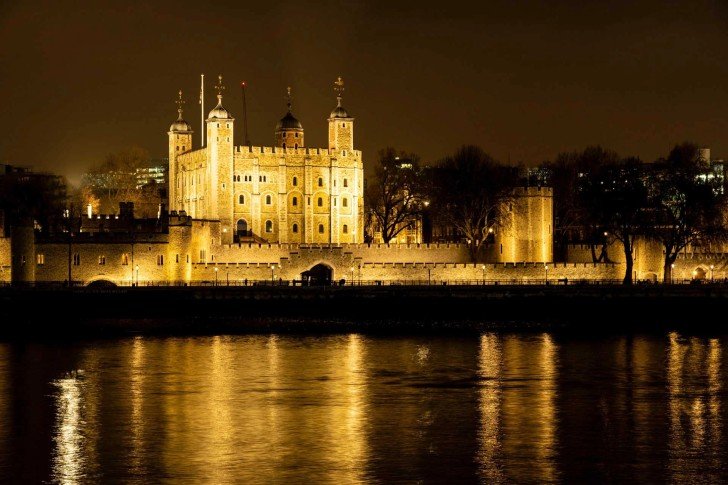
London rewards visitors who slow down enough to notice how its history is layered across different districts. Westminster tells one story, the City tells another, and places such as Southwark, Kensington and Greenwich add completely different chapters. A private taxi tour can make those areas easier to connect, but the best experience starts with a realistic plan rather than an oversized checklist of landmarks.
Choose a Theme Before You Choose the Stops
A useful starting point is to decide what kind of London you want to understand. Some travellers are drawn to royal history, while others prefer wartime stories, political landmarks, architecture, literary locations or the development of individual neighbourhoods. Selecting two or three themes gives the day a clear direction and makes it easier for the guide to connect one location to the next.
This also prevents the itinerary from becoming a series of unrelated photo stops. A coherent route should explain why the places matter, how events are connected and what changed over time. That context is often what visitors remember long after the tour has finished.
Build the Route Around Geography
London is larger than many first-time visitors expect, and historic attractions are not arranged in one neat line. Trying to cross the city repeatedly can turn a sightseeing day into a traffic day. A stronger plan groups nearby locations together and uses longer transfers only when they add something important to the story.
For example, a route focused on Westminster can combine government, royal and ceremonial landmarks, while a City-focused route can explore older streets, churches, financial history and the impact of major events on the built environment. The exact combination should reflect the group’s interests and the time available.
Balance Driving Time With Time on Foot
A private vehicle is useful because it reduces repeated changes between public transport services and gives the group a base between stops. Even so, the most interesting details are often seen during short walks. Before booking, ask how much of the tour normally takes place inside the taxi and how often the group can get out.
Some people want a broad overview with short photo stops. Others would rather spend more time at fewer locations and explore them in greater depth. Families, older travellers and people with mobility requirements may also need a different balance. There is no single correct format; the important point is that the route fits the people taking it.
Allow for Traffic, Events and Changing Conditions
Traffic in central London can change quickly, particularly around commuter periods, roadworks, ceremonies, major events and temporary closures. A rigid route can therefore create unnecessary pressure. A knowledgeable driver-guide should be able to change the order of stops when conditions make another sequence more sensible.
Weather matters too. Rain or strong wind may make long walking sections uncomfortable, while a warm day can make a tightly packed route tiring. Having a vehicle available gives the group more flexibility, but it is still worth carrying comfortable shoes and a light waterproof layer.
Compare the Tour Itself, Not Just the Headline Itinerary
When comparing providers such as London History Taxi Tours, look beyond the list of famous places on the page. Ask whether the route can be adapted to specific interests, whether hotel or station pickup is available, how long the tour normally lasts and what happens when traffic changes the original plan.
It is also worth checking whether the booking covers the whole vehicle or is priced per person, whether attraction tickets are separate and how waiting time is handled. Clear terms make it easier to compare services on a like-for-like basis.
Think About the Group Before the Day Starts
Sharing practical information in advance can improve the experience considerably. Families can mention the ages and interests of children so the guide can use stories and locations that hold their attention. Travellers with mobility needs can ask about vehicle access, step height, luggage space and the expected amount of walking.
Photography preferences are useful to discuss as well. Some streets offer easy stopping points while others do not, so planned viewpoints are safer and more practical than last-minute requests. If photographs are a priority, say so when the route is being arranged.
Questions to Ask Before You Book
People researching black cab tours London can make a better choice by asking a few specific questions: Which areas are realistic within the booked time? Can the tour focus on a particular historical theme? How flexible is the route on the day? Are food or rest breaks possible? What information should be provided before pickup?
The answers should give you a sense of how personalised the service really is. A good private tour is not about promising to cover everything. It is about using the available time intelligently and creating a route that feels comfortable, informative and relevant to the group.
Use the Tour as an Introduction to the City
For a first visit, a private taxi tour can also work as orientation. Notice which neighbourhoods you would like to revisit later, which museums deserve more time and how long it takes to travel between central areas. That understanding can make the rest of the trip easier to plan.
The strongest London tours leave visitors with more than a collection of photographs. They provide a clearer sense of how the city fits together, why particular places matter and which parts are worth exploring in more depth. A thoughtful route, flexible timing and a guide who understands the group can make a private black cab tour a genuinely useful way to discover the capital.
