Understanding Marketing Fundamentals
Marketing fundamentals form the backbone of every successful business strategy. At its core, marketing is the process of understanding customer needs and creating value that satisfies those needs while benefiting the company. It is a dynamic discipline that combines creativity, analysis, and strategic planning to connect products or services with the right audience.
The primary goal is not just to sell but to build strong relationships, foster brand loyalty, and create a sustainable competitive advantage. Businesses that fail to grasp marketing fundamentals often struggle to differentiate themselves in saturated markets and miss opportunities to grow.
The Importance of Marketing Fundamentals
Understanding marketing fundamentals is essential for businesses of all sizes. It provides a roadmap to identify target markets, position products effectively, and communicate messages that resonate with potential customers. Without a solid grasp of these principles, marketing campaigns risk being unfocused, inefficient, or completely ineffective.
Marketing fundamentals help businesses allocate resources wisely, improve customer engagement, and drive long-term profitability. They also serve as the foundation for advanced marketing strategies, such as digital marketing, content marketing, and social media campaigns, ensuring that all efforts are aligned with overarching business objectives.
Core Concepts of Marketing Fundamentals
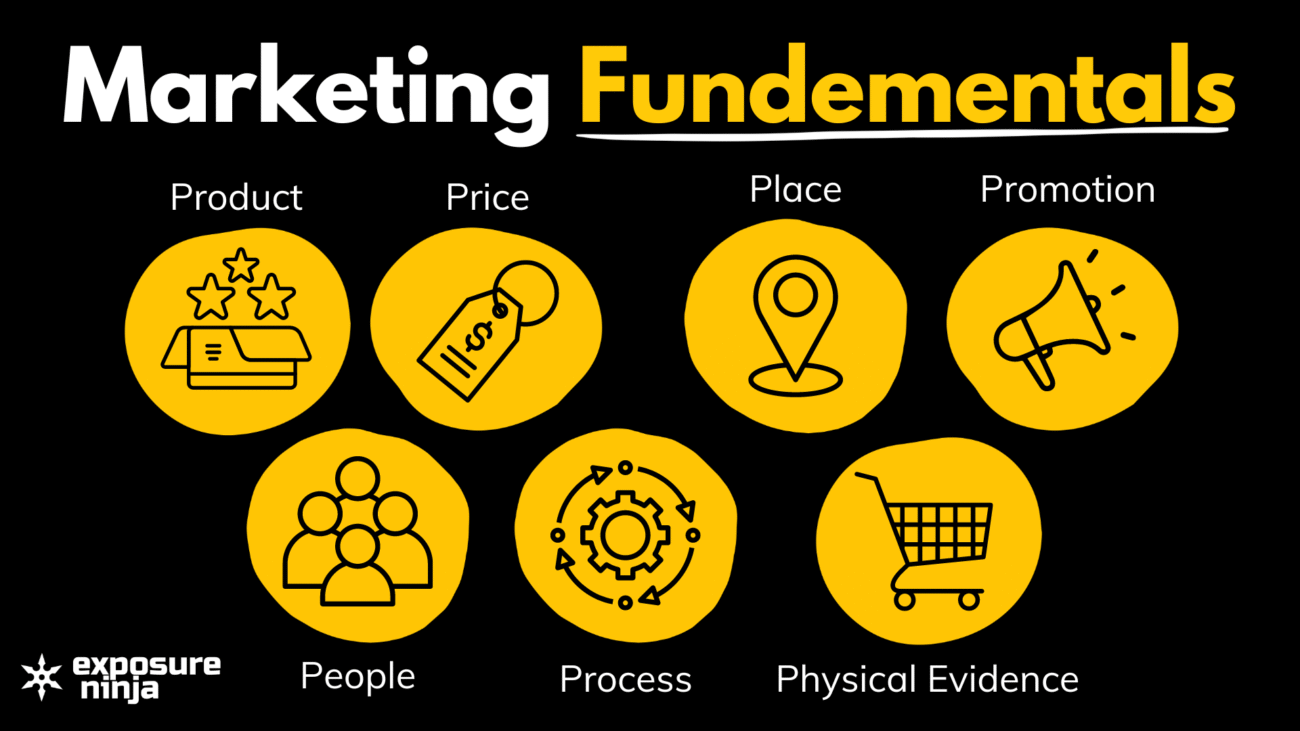
The core concepts of marketing revolve around understanding the customer, creating value, and delivering it effectively. One essential principle is the marketing mix, often referred to as the 4Ps: Product, Price, Place, and Promotion. Each element must be strategically aligned to meet customer expectations. Product involves understanding what the customer needs and designing offerings that fulfill those needs. Price reflects the perceived value and affordability of the product.
Place determines how the product is delivered and made accessible to the customer. Promotion encompasses all communication strategies used to inform, persuade, and remind customers about the product. Together, these elements form a cohesive strategy that guides businesses toward success.
Understanding the Target Market
A critical aspect of marketing fundamentals is identifying and understanding the target market. Not all products appeal to everyone, and businesses must define their audience based on demographics, psychographics, and behavioral patterns. Demographics include factors such as age, gender, income, education, and occupation, while psychographics examine lifestyle, interests, and values.
Behavioral patterns focus on purchase habits, brand loyalty, and buying motivations. By analyzing these aspects, businesses can segment their audience effectively and tailor marketing strategies to address the unique needs of each segment, maximizing engagement and conversion rates.
Market Research and Analysis
Market research is a fundamental tool that allows businesses to make informed marketing decisions. It involves collecting, analyzing, and interpreting data about consumers, competitors, and the market environment. Effective market research helps identify opportunities, anticipate trends, and understand customer preferences.
It can be conducted through surveys, focus groups, interviews, observation, and data analytics. Additionally, competitive analysis provides insights into what rivals are doing well and where gaps exist. Businesses that rely on market research can reduce risks, optimize marketing strategies, and create offerings that truly resonate with their audience.
Branding and Positioning
Branding and positioning are vital components of marketing fundamentals. Branding is the process of creating a unique identity and perception in the minds of consumers. It includes the company name, logo, tagline, and overall brand personality. A strong brand evokes trust, recognition, and emotional connection.
Positioning, on the other hand, determines how a product or service is perceived relative to competitors. Effective positioning highlights unique selling propositions (USPs) that differentiate the offering in the marketplace. Businesses that master branding and positioning can command premium prices, cultivate customer loyalty, and achieve long-term growth.
The Role of Customer Value
At the heart of marketing fundamentals lies customer value. Providing value goes beyond offering a quality product; it encompasses delivering experiences, solving problems, and exceeding expectations. Customer value drives satisfaction, loyalty, and repeat business. Businesses must understand what customers truly value and align their offerings accordingly.
This may include product features, price advantages, exceptional service, convenience, or emotional benefits. Companies that consistently deliver high value not only retain customers but also generate positive word-of-mouth, enhancing their reputation and market position.
Real-Life Examples of Marketing Fundamentals in Action
Understanding marketing fundamentals is not just theoretical—it’s highly practical. Companies like Apple, Coca-Cola, and Nike have built their empires by mastering these principles. Apple, for example, emphasizes product design, innovation, and user experience, ensuring its products deliver unmatched value.
Their pricing strategy positions Apple as a premium brand, while their promotion through sleek advertising campaigns and strategic product launches reinforces brand desirability. Similarly, Coca-Cola leverages emotional branding and global distribution networks to maintain market dominance.
Nike focuses on positioning and customer engagement, aligning its products with sports performance and lifestyle aspirations. These real-world examples demonstrate how marketing fundamentals—when applied consistently—drive brand success and customer loyalty.
Segmentation, Targeting, and Positioning (STP)
Segmentation, Targeting, and Positioning, or STP, is a cornerstone of marketing fundamentals. Segmentation divides the market into distinct groups based on demographics, psychographics, or behavior. Targeting involves selecting the most profitable segments to focus on. Positioning ensures that the product occupies a unique and compelling place in the minds of the target audience.
For instance, Tesla targets environmentally conscious consumers who value innovation and sustainability. Its positioning as a luxury electric car brand differentiates it from traditional automakers. Businesses that implement STP strategies can create more relevant marketing messages, improve engagement, and increase conversion rates.
Marketing Strategy Development
Developing a robust marketing strategy is a crucial step in applying marketing fundamentals. A marketing strategy outlines how a business will achieve its objectives, attract customers, and maintain a competitive edge. It involves setting clear goals, defining target segments, crafting a compelling value proposition, and selecting appropriate channels and tactics.
Strategies may include content marketing, social media campaigns, search engine optimization (SEO), influencer partnerships, and traditional advertising. Successful strategies are data-driven, adaptable, and aligned with overall business goals, ensuring consistent messaging and maximum impact across all touchpoints.
Digital Marketing Fundamentals
In today’s digital era, understanding digital marketing fundamentals is essential. Digital marketing leverages online channels such as social media, email, search engines, and websites to reach audiences effectively. Key components include search engine optimization (SEO), content marketing, social media management, pay-per-click advertising, and analytics.
Digital marketing allows precise targeting, real-time performance tracking, and cost-effective campaigns. Businesses that integrate digital marketing with traditional strategies can amplify their reach, improve customer engagement, and adapt quickly to market changes.
The Role of Content in Marketing
Content plays a central role in marketing fundamentals. High-quality, relevant content attracts, educates, and engages potential customers. It can take many forms, including blog posts, videos, infographics, social media posts, podcasts, and whitepapers. Content marketing builds brand authority, nurtures leads, and supports SEO efforts.
By providing valuable information that solves customer problems, businesses establish trust and credibility. Consistent, strategic content distribution enhances visibility, encourages interaction, and drives conversions, making it a cornerstone of effective marketing.
Customer Relationship Management
Customer relationship management (CRM) is a key aspect of marketing fundamentals. CRM involves strategies and technologies to manage interactions with current and potential customers. It focuses on improving customer satisfaction, retention, and loyalty. Tools such as CRM software help track customer behavior, preferences, and purchase history, enabling personalized communication and targeted campaigns.
Strong customer relationships result in repeat business, positive reviews, and long-term profitability. Businesses that prioritize CRM gain insights into customer needs, strengthen engagement, and cultivate a loyal customer base.
Marketing Metrics and Performance Measurement
Measuring marketing performance is critical for understanding effectiveness and optimizing strategies. Key marketing metrics include return on investment (ROI), customer acquisition cost (CAC), conversion rates, engagement levels, and brand awareness. Analytics tools track website traffic, social media performance, email open rates, and sales trends.
By analyzing data, businesses can identify what works, uncover gaps, and refine campaigns for better outcomes. Performance measurement ensures accountability, improves decision-making, and maximizes marketing efficiency, making it an indispensable part of marketing fundamentals.
Ethics and Social Responsibility in Marketing
Ethical marketing and social responsibility are increasingly important in today’s business environment. Companies must ensure their marketing practices are honest, transparent, and respectful of consumer rights. Misleading claims, false advertising, and manipulative tactics can damage reputation and result in legal consequences.
Socially responsible marketing considers environmental sustainability, community impact, and ethical sourcing. Businesses that prioritize ethics and social responsibility not only build trust with consumers but also differentiate themselves in competitive markets, contributing to long-term brand value.
The Evolution of Marketing Fundamentals
Marketing fundamentals have evolved significantly over the decades. Traditional marketing focused on mass communication, product promotion, and sales. Today, marketing is customer-centric, data-driven, and highly interactive. Advances in technology, digital media, and analytics have transformed how businesses engage audiences.
Modern marketing emphasizes personalization, omnichannel strategies, and experiential marketing. Despite these changes, the core principles—understanding customer needs, creating value, and building relationships—remain constant. Businesses that master these evolving fundamentals can stay ahead in a competitive and fast-changing marketplace.
Conclusion
Marketing fundamentals are the foundation of successful business practices. They encompass understanding the customer, delivering value, developing effective strategies, and continuously measuring and refining efforts. From the 4Ps to digital marketing, branding, and ethical practices, these principles guide businesses in achieving growth, customer loyalty, and sustainable success.
Companies that invest in mastering marketing fundamentals are better equipped to adapt to changing markets, foster innovation, and build strong, enduring brands. Ultimately, understanding and applying marketing fundamentals is not just a business necessity—it is a pathway to long-term success in today’s competitive world.
You May Also Read: Chargers vs Miami Dolphins match player stats
