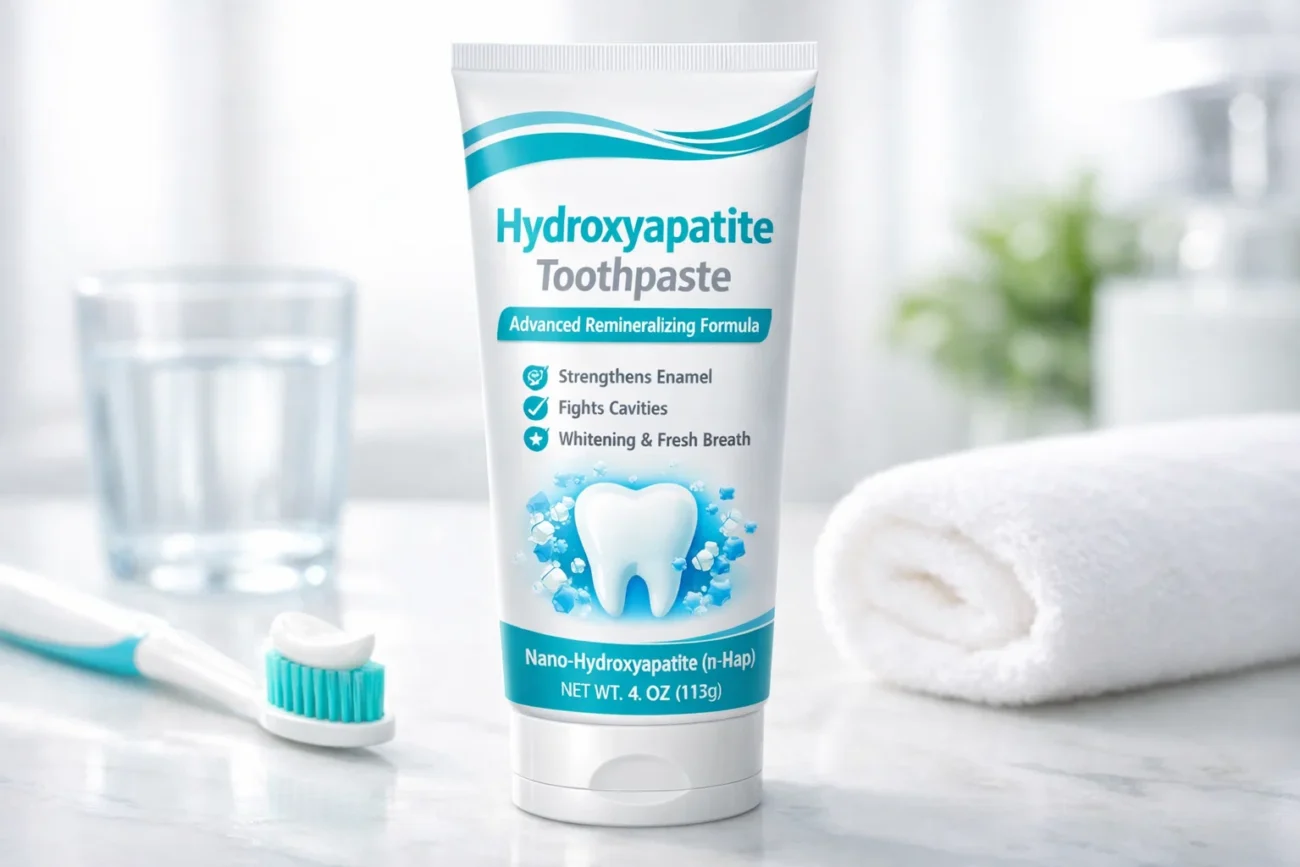
What is Hydroxyapatite Toothpaste?
Hydroxyapatite toothpaste is a modern dental care innovation designed to protect and repair teeth naturally. Hydroxyapatite, often abbreviated as HAp, is a naturally occurring mineral form of calcium apatite, making up about 97% of human tooth enamel and 70% of dentin. This means hydroxyapatite toothpaste works in harmony with the natural structure of your teeth.
Unlike traditional fluoride-based toothpastes, hydroxyapatite toothpaste focuses on remineralization, repairing microscopic enamel defects, reducing sensitivity, and preventing cavities without the potential risks sometimes associated with fluoride. Its ability to integrate into the tooth structure is one of the primary reasons it has gained attention among dental professionals and consumers worldwide.
The Science Behind Hydroxyapatite
Hydroxyapatite functions by mimicking the natural building blocks of teeth. When applied through toothpaste, the microscopic hydroxyapatite particles adhere to the enamel surface, filling tiny cracks and holes. This process is known as remineralization. Enamel, the protective outer layer of teeth, is constantly exposed to acids from food, beverages, and bacteria, which can lead to demineralization.
Hydroxyapatite toothpaste delivers calcium and phosphate ions directly to enamel, helping to restore its integrity and strength. Studies have shown that regular use of hydroxyapatite toothpaste can reduce enamel erosion, repair early-stage cavities, and improve overall tooth hardness, making it a promising alternative to fluoride toothpaste for people of all ages.
Benefits of Using Hydroxyapatite Toothpaste
Hydroxyapatite toothpaste offers a wide range of benefits that go beyond standard dental care. One of the most significant advantages is its ability to remineralize teeth naturally. Unlike fluoride, which strengthens enamel by creating a surface-level protective layer, hydroxyapatite integrates directly into the enamel, restoring it from within. This helps reduce tooth sensitivity, as the enamel’s microscopic pores are filled and strengthened.
Another notable benefit is its cavity-prevention properties. By reinforcing enamel and filling minor defects, hydroxyapatite toothpaste reduces the risk of decay and cavities. It also provides whitening effects without the harsh abrasives found in many traditional toothpastes.
Hydroxyapatite gently polishes teeth while repairing enamel, resulting in a brighter, smoother surface. Additionally, hydroxyapatite is biocompatible and safe for children, making it an ideal choice for families who want a fluoride-free option.
Hydroxyapatite Toothpaste vs Fluoride Toothpaste
Comparing hydroxyapatite toothpaste to fluoride toothpaste reveals key differences in mechanism and safety. Fluoride works primarily by creating a protective barrier on the enamel surface and can sometimes cause dental fluorosis in children if overused. Hydroxyapatite, on the other hand, naturally restores enamel without the risk of toxicity. It not only strengthens enamel but also repairs existing microdamage.
In terms of cavity prevention, studies suggest hydroxyapatite is equally effective as fluoride, particularly for early-stage enamel lesions. Some researchers also highlight its superiority in reducing sensitivity due to its ability to physically block exposed dentin tubules. For people seeking a natural alternative or those sensitive to fluoride, hydroxyapatite toothpaste presents a compelling choice.
How Hydroxyapatite Toothpaste Repairs Enamel
Enamel erosion occurs gradually due to acid attacks from bacteria, sugary foods, and acidic beverages. Hydroxyapatite toothpaste combats this by remineralizing damaged areas. The microscopic HAp particles penetrate the enamel surface and deposit calcium and phosphate ions, essentially acting as a “patch” for weakened spots.
Over time, this process restores enamel hardness, smooths rough areas, and decreases the likelihood of cavities and sensitivity. Unlike fluoride, which strengthens enamel externally, hydroxyapatite becomes part of the tooth structure, creating a long-lasting protective effect.
Reducing Tooth Sensitivity with Hydroxyapatite Toothpaste
Tooth sensitivity is a common dental issue caused by exposed dentin or enamel wear. Hydroxyapatite toothpaste has been shown to significantly reduce sensitivity by filling tiny openings in the enamel and dentin. This blocks the pathways that lead to nerve endings, preventing discomfort from hot, cold, or sweet stimuli. Regular use not only alleviates sensitivity but also strengthens teeth over time, creating a proactive approach to dental health rather than just temporary relief.
Whitening Properties of Hydroxyapatite Toothpaste
Hydroxyapatite toothpaste can naturally whiten teeth without aggressive chemicals or abrasives. The enamel-repairing action of hydroxyapatite fills micro-cracks and smooths the tooth surface, which enhances light reflection and gives teeth a brighter appearance. Unlike bleaching agents that can cause sensitivity or damage enamel over time, hydroxyapatite provides a gentle, long-term whitening effect while simultaneously improving tooth health. For individuals seeking both cosmetic and functional benefits, hydroxyapatite toothpaste offers a dual solution.
Safety and Suitability for All Ages
One of the standout features of hydroxyapatite toothpaste is its safety profile. It is non-toxic if swallowed, making it safe for children who are prone to swallowing toothpaste. Additionally, it does not carry the same risks associated with fluoride overexposure, such as dental fluorosis.
Hydroxyapatite toothpaste is suitable for pregnant women, the elderly, and individuals with sensitive teeth, offering a universal dental care option. Its natural compatibility with tooth structure makes it an ideal choice for long-term use without adverse effects.
Environmental and Ethical Considerations
Hydroxyapatite toothpaste is also considered more environmentally friendly compared to traditional toothpaste formulas. Many products are made without harmful additives, artificial dyes, or microplastics, which are often found in conventional toothpastes. Moreover, because hydroxyapatite can be synthesized sustainably in laboratories, it reduces the need for resource-intensive mineral extraction. Brands producing hydroxyapatite toothpaste often emphasize vegan and cruelty-free manufacturing processes, appealing to eco-conscious consumers.
How to Use Hydroxyapatite Toothpaste Effectively
For maximum benefit, hydroxyapatite toothpaste should be used twice daily, just like any other toothpaste. However, for optimal enamel repair, experts recommend the following:
-
Use a soft-bristled toothbrush to avoid enamel abrasion.
-
Brush gently for two minutes, ensuring all surfaces are covered.
-
Avoid rinsing immediately after brushing; leave a thin layer on teeth to allow hydroxyapatite to continue remineralizing.
-
Complement toothpaste use with a low-sugar diet and regular dental check-ups for long-term oral health.
Following these steps ensures hydroxyapatite has sufficient contact time with enamel, enhancing its restorative and protective effects.
Scientific Evidence Supporting Hydroxyapatite Toothpaste
Multiple clinical studies have validated the efficacy of hydroxyapatite toothpaste. Research published in dental journals demonstrates that HAp toothpaste significantly reduces enamel demineralization and repairs early-stage cavities. Studies also show comparable results to fluoride toothpaste in preventing cavities while offering additional benefits, such as reduced sensitivity and enamel smoothing. Long-term trials highlight its safety, making hydroxyapatite toothpaste a credible alternative for daily oral care.
Hydroxyapatite Toothpaste for Sensitive Teeth
Individuals with sensitive teeth often struggle to find toothpaste that provides relief without harsh chemicals. Hydroxyapatite toothpaste works directly at the source by sealing exposed dentin tubules, the primary cause of sensitivity. Over weeks of consistent use, many users report noticeable reductions in pain and discomfort.
Unlike traditional desensitizing toothpastes that may rely on potassium nitrate or strontium compounds, hydroxyapatite provides a natural, structural solution to sensitivity, addressing the root cause rather than masking symptoms.
Choosing the Right Hydroxyapatite Toothpaste
When selecting a hydroxyapatite toothpaste, consider factors such as particle size, additional ingredients, and brand reputation. Smaller particles may penetrate enamel more effectively, while additional natural ingredients like xylitol, herbal extracts, or calcium phosphates can enhance oral health. Look for products with clear labeling regarding HAp concentration, as higher percentages are generally more effective in remineralization. Trusted dental brands with clinical backing often provide better quality assurance compared to generic or low-cost alternatives.
Hydroxyapatite Toothpaste and Overall Oral Health
Hydroxyapatite toothpaste contributes to overall oral health in several ways. By repairing enamel and reducing cavities, it lowers the risk of gum disease and tooth decay. Its ability to reduce sensitivity encourages consistent brushing, promoting healthier gums and a cleaner oral environment. Moreover, because it is non-toxic and biocompatible, hydroxyapatite is suitable for daily, long-term use, ensuring sustained benefits for tooth strength, appearance, and overall oral hygiene.
Hydroxyapatite Toothpaste and Gum Health
While hydroxyapatite toothpaste is primarily known for strengthening enamel, it also contributes to gum health. Healthy gums are essential for overall oral hygiene, as gum disease can lead to tooth loss and systemic health issues. Hydroxyapatite has been shown to reduce plaque formation on tooth surfaces.
By smoothing enamel and sealing micro-cracks, HAp limits bacterial adhesion, which in turn reduces inflammation of the gums. Regular brushing with hydroxyapatite can help prevent gingivitis and support a healthy oral microbiome, which is essential for preventing periodontal disease.
Hydroxyapatite Toothpaste for Children
Children’s dental care requires special attention because their enamel is softer and more susceptible to cavities. Hydroxyapatite toothpaste is safe for young children, even if swallowed, making it an ideal alternative to fluoride in households concerned about overexposure.
Pediatric dentists increasingly recommend HAp toothpaste to strengthen developing enamel, prevent early decay, and reduce sensitivity in young teeth. Its gentle, non-toxic formula ensures that children can brush without risk while developing healthy oral hygiene habits from an early age.
Consumer Experiences and Testimonials
Many users report positive experiences with hydroxyapatite toothpaste. Commonly cited benefits include reduced sensitivity, stronger teeth, and natural whitening. Parents appreciate its safety for children, while adults praise its enamel-repairing properties. Dental professionals increasingly recommend hydroxyapatite as a fluoride alternative, particularly for patients concerned about chemical exposure or those seeking natural oral care options.
Future Trends in Hydroxyapatite Toothpaste
The dental industry is witnessing a growing shift toward natural, science-backed alternatives like hydroxyapatite. Researchers continue to explore enhanced formulations that combine hydroxyapatite with probiotics, herbal extracts, and nanotechnology to improve oral health outcomes further.
Innovations may include toothpastes that target plaque, freshen breath, and repair enamel simultaneously, offering comprehensive solutions in a single product. Given its safety, efficacy, and versatility, hydroxyapatite is likely to play a central role in the future of preventive dentistry.
Final Thoughts
Hydroxyapatite toothpaste is revolutionizing oral care by offering a natural, safe, and scientifically backed alternative to traditional fluoride toothpaste. Its ability to remineralize enamel, reduce sensitivity, prevent cavities, and enhance whitening makes it suitable for a wide range of users, from children to adults with sensitive teeth.
Supported by research, dental professionals, and positive consumer feedback, HAp toothpaste represents the future of preventive and restorative dentistry. By adopting hydroxyapatite, individuals can achieve stronger teeth, healthier gums, and a brighter smile while minimizing the risks associated with harsh chemicals or overexposure to fluoride.
You May Also Read: 49ers vs New York Giants match player stats
