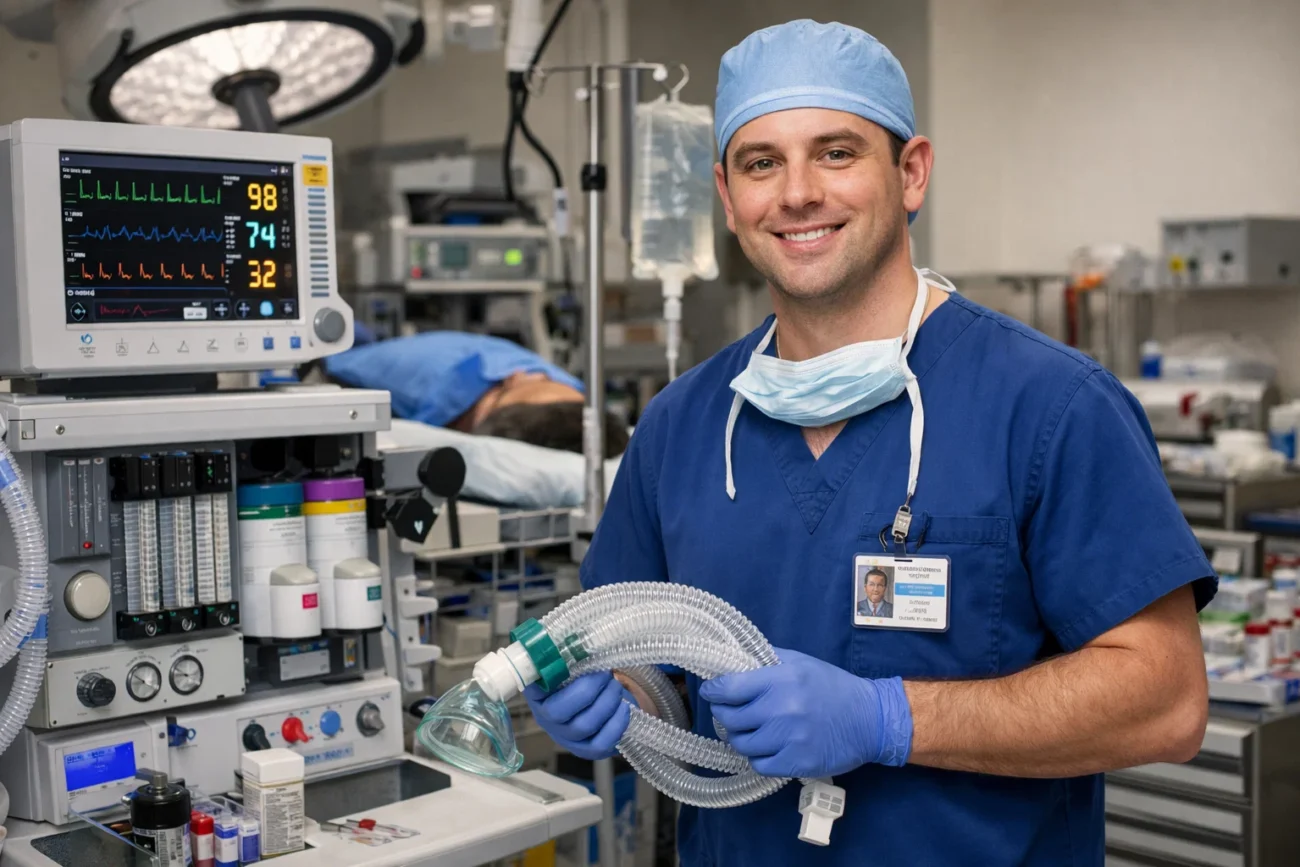
Introduction to Anesthesia Tech
Anesthesia technology is a vital part of modern medicine, ensuring that surgical procedures and other medical interventions are safe, effective, and comfortable for patients. An anesthesia tech, also known as a technician, plays a critical role in supporting anesthesiologists, nurse anesthetists, and surgeons during operations. Unlike nurses or doctors, anesthesiologists focus specifically on the preparation, maintenance, and monitoring of anesthesia equipment and supplies, making them essential members of the surgical team. Their work directly impacts patient safety and surgical outcomes.
Anesthesia techs are trained professionals who work behind the scenes to manage complex anesthesia systems, monitor patient status, and respond to equipment issues. This article explores the role, responsibilities, education, and career prospects of an anesthesia, shedding light on an often overlooked yet indispensable healthcare profession.
Who is an Anesthesia Tech?
An anesthesia tech is a healthcare professional trained in the operation, maintenance, and troubleshooting of anesthesia machines and related medical equipment. They provide hands-on support to anesthesiologists and other members of the surgical team. Unlike nurses, anesthesia techs are specifically trained in the technical aspects of anesthesia delivery, including equipment setup, medication preparation, and patient monitoring.
Their primary role is to ensure that all anesthesia equipment functions correctly before, during, and after surgery. This includes setting up anesthesia machines, verifying oxygen and gas supply levels, calibrating monitors, and preparing intravenous (IV) lines for anesthesia drugs. In addition, anesthesia often assists in maintaining a sterile operating environment, helping with infection control procedures, and ensuring all surgical instruments and devices are ready for use.
Roles and Responsibilities of an Anesthesia Tech
The responsibilities of an anesthesia tech are broad and critical to surgical success. Their duties can be divided into preoperative, intraoperative, and postoperative tasks:
Preoperative Responsibilities
Before surgery, an anesthesia tech prepares the operating room and anesthesia equipment. This includes checking anesthesia machines, verifying oxygen and gas cylinders, and ensuring all monitoring devices, such as pulse oximeters and blood pressure monitors, are functioning properly. They also assist in drawing up medications, labeling syringes, and arranging IV lines. Preoperative preparation minimizes delays and prevents complications during surgery.
Intraoperative Responsibilities
During surgery, anesthesia supports the anesthesia provider by monitoring equipment, observing patient vitals, and assisting in the administration of anesthetic agents when necessary. They may troubleshoot technical issues, replace equipment, and provide backup for emergency procedures. Their presence allows anesthesiologists to focus entirely on patient care without worrying about equipment malfunctions.
Postoperative Responsibilities
After surgery, anesthesia helps with the cleanup and sterilization of anesthesia equipment. They may also document anesthesia usage, update patient records, and prepare equipment for the next procedure. Their post-operative work ensures that future surgeries run smoothly and that all anesthesia devices remain safe and functional.
Education and Training Required for Anesthesia Techs
Becoming an anesthesia tech requires specialized education and training. Most anesthesiologists complete a certificate or associate degree program in technology or a related healthcare field. These programs usually include coursework in anatomy, physiology, pharmacology, medical terminology, and anesthesia equipment operation.
Clinical training is a crucial component of anesthesia tech education. Students often complete internships or practicums in hospitals, surgical centers, or other healthcare facilities. During this hands-on training, they learn to operate anesthesia machines, monitor patients under anesthesia, and respond to emergencies. Many programs also provide instruction in infection control, safety protocols, and ethical considerations in patient care.
Certification is another important step. While certification requirements vary by region, becoming a Certified Anesthesia Technician (Cer.A.T.) or Certified Technologist (Cer.A.T.T.) can enhance job prospects and demonstrate professional competence. Certification typically involves passing a comprehensive exam that tests knowledge of anesthesia equipment, procedures, and patient care standards.
Skills Required to Become an Anesthesia Tech
Anesthesia techs need a unique combination of technical, clinical, and interpersonal skills to perform their roles effectively. Key skills include:
-
Technical proficiency: Ability to operate, troubleshoot, and maintain anesthesia machines and monitoring equipment.
-
Attention to detail: Ensuring correct medication dosages, equipment calibration, and patient safety measures.
-
Problem-solving skills: Quickly addressing equipment malfunctions or unexpected clinical situations.
-
Communication skills: Coordinating effectively with anesthesiologists, surgeons, nurses, and other team members.
-
Manual dexterity: Handling delicate instruments and performing precise technical tasks.
-
Knowledge of safety protocols: Maintaining sterile environments and adhering to infection control standards.
Strong interpersonal skills are also important because anesthesia techs work closely with patients who may be anxious before surgery. Being compassionate, professional, and calm under pressure is essential.
Work Environment of an Anesthesia Tech
Anesthesia techs typically work in hospitals, outpatient surgical centers, or specialty clinics. Their work environment is fast-paced, often requiring long hours, night shifts, and occasional weekend work. Operating rooms are highly controlled environments where precision, teamwork, and adherence to safety protocols are critical.
In addition to hospitals, some anesthesiologists find employment in research facilities, medical equipment companies, or educational institutions. In these settings, they may assist with testing new anesthesia devices, training medical personnel, or providing technical support for clinical studies.
The work environment requires physical stamina, as an anesthesiologist may spend long periods standing, lifting equipment, and moving patients. Exposure to anesthesia gases, surgical instruments, and other medical materials requires strict compliance with safety regulations.
Career Path and Advancement Opportunities
The career path for anesthesia can vary depending on experience, education, and certifications. Entry-level positions involve assisting anesthesiologists, maintaining equipment, and learning on the job. With experience, an anesthesia technician may advance to supervisory roles, such as lead anesthesia technician or operating room coordinator.
Some anesthesiologists choose to pursue further education to become anesthesia technologists, nurse anesthetists, or anesthesia assistants. These roles involve higher levels of responsibility, including direct patient care, anesthesia administration, and involvement in complex surgical procedures. Continuing education and professional development are essential for career growth, as advancements in anesthesia technology require ongoing learning.
Importance of Anesthesia Techs in Healthcare
Anesthesia techs are indispensable in modern healthcare due to the complexity and precision required in anesthesia delivery. Their work ensures that patients remain safe and comfortable during surgeries, procedures, and diagnostic tests requiring sedation.
Without anesthesia techs, anesthesiologists would face increased workloads and potential risks related to equipment failure, medication errors, and delays in patient care. By handling technical responsibilities, anesthesia techs allow anesthesiologists to focus entirely on patient monitoring and clinical decision-making. Their contributions directly impact surgical outcomes, patient safety, and overall healthcare efficiency.
Challenges Faced by Anesthesia Techs
While rewarding, the role of an anesthesia tech comes with challenges. Operating rooms are high-pressure environments where mistakes can have serious consequences. Anesthesia techs must maintain focus, attention to detail, and composure under stress.
Another challenge is staying updated with rapidly advancing technology. Modern anesthesia machines are increasingly sophisticated, requiring continuous learning and adaptation. Anesthesia must be prepared for emergencies, including sudden equipment failure, allergic reactions, or changes in patient condition, which can be stressful.
Work-life balance can also be challenging due to irregular hours, long shifts, and the need for immediate response in emergencies. Despite these difficulties, many anesthesia techs find their work highly fulfilling, as they play a direct role in saving lives and improving patient care.
Salary and Job Outlook for Anesthesia Techs
The salary of an anesthesia tech varies depending on experience, location, and certification. In general, certified anesthesiologists earn higher salaries compared to those without formal certification. According to recent data, the median annual salary for an anesthesiologist in the United States ranges between $45,000 and $65,000, with experienced professionals potentially earning more.
The job outlook for anesthesia techs is positive due to the growing demand for surgical procedures, outpatient surgeries, and advanced medical care. As healthcare technology continues to advance, the need for trained professionals who can operate and maintain sophisticated anesthesia equipment will increase. Hospitals, surgical centers, and specialty clinics are expected to continue hiring anesthesiologists to support safe and efficient patient care.
Anesthesia Tech vs. Anesthesiologist: Understanding the Difference
An anesthesiologist is a medical doctor who evaluates patients, develops anesthesia plans, administers anesthesia, and monitors patient responses during surgery. Their work is clinical, requiring years of medical education and residency training.
In contrast, an anesthesia tech is a technical specialist who supports the anesthesiologist by managing equipment, preparing medications, and assisting in patient monitoring. Their training focuses on technical expertise rather than direct medical decision-making. Together, anesthesiologists and anesthesia form a complementary team, ensuring that surgeries are safe, effective, and efficient.
Future Trends in Anesthesia Technology
The field of anesthesia is constantly evolving due to technological advancements. Modern anesthesia machines are becoming more automated, with integrated monitoring systems, electronic records, and real-time data analysis. These innovations increase efficiency but also require anesthesia techs to continuously update their skills.
Telemedicine and remote monitoring are emerging trends that may impact anesthesia practice in the future. Advanced sensors, AI-assisted monitoring, and predictive analytics could assist anesthesiologists and anesthesia in identifying patient risks more quickly. Anesthesiologists who adapt to these technological changes will be well-positioned for career growth and leadership opportunities in the evolving healthcare landscape.
Conclusion
The role of an anesthesia tech is critical in the delivery of safe and effective anesthesia care. These professionals are skilled technical specialists who ensure that anesthesia equipment is functional, medications are prepared correctly, and patients are monitored closely during surgery. Their work directly supports anesthesiologists and enhances surgical outcomes.
With specialized education, certification, and continuous learning, anesthesia can build rewarding careers with opportunities for advancement. Despite challenges such as high-pressure environments and rapid technological changes, the profession offers job stability, competitive salaries, and the satisfaction of contributing to patient safety and healthcare excellence.
For anyone interested in a hands-on, technical, and impactful healthcare career, becoming an anesthesia tech provides a unique pathway to make a difference in patients’ lives while working at the cutting edge of medical technology.
You May Also Read: Minnesota Twins vs Milwaukee Brewers match player stats
