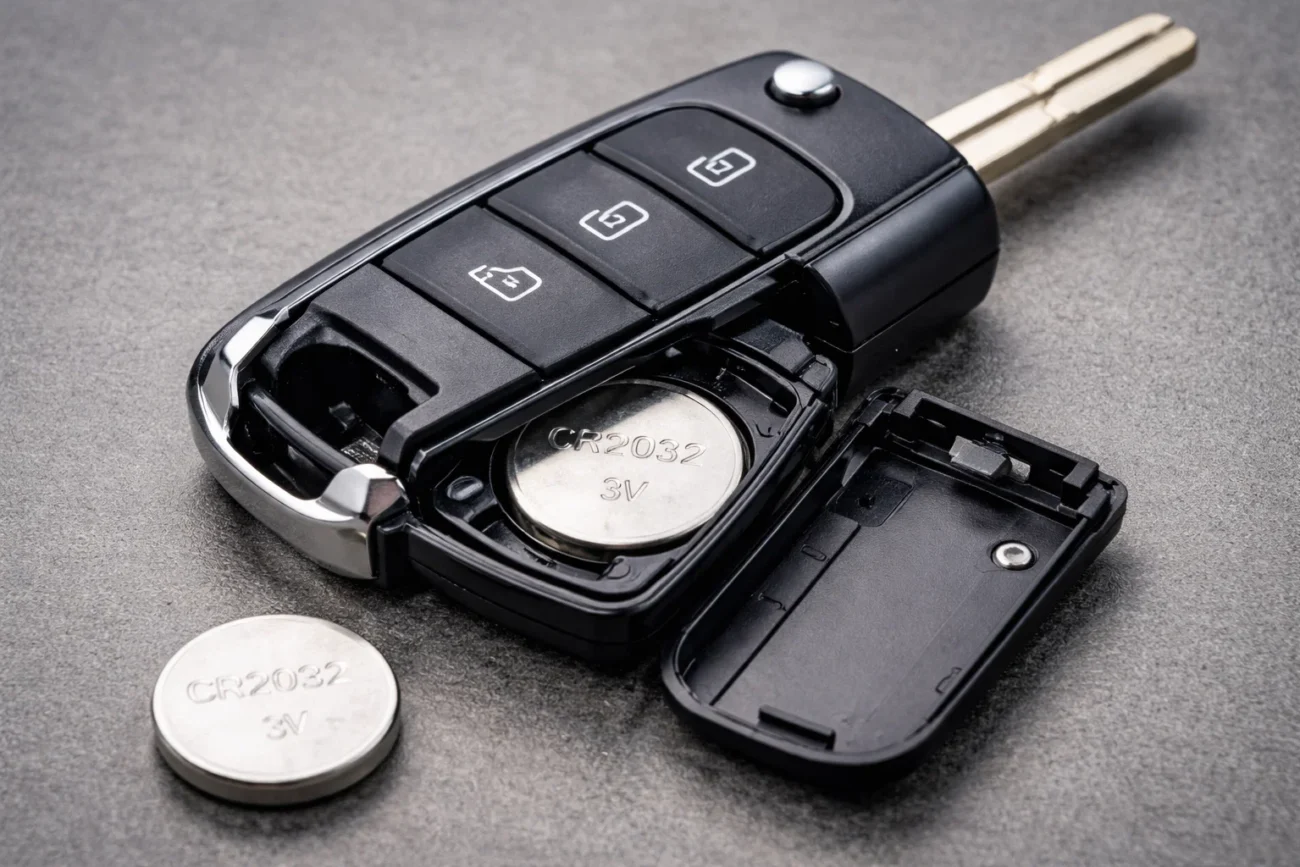
What is a Key Fob Battery?
A key fob battery is the small, often coin-shaped power source that allows your car’s key fob to operate wirelessly. Unlike traditional car keys, modern key fobs use electronic signals to lock, unlock, and start vehicles remotely. The battery inside is crucial because it powers the microchip and transmitter in the fob.
Without it, your key fob becomes essentially useless, forcing you to rely on manual entry or ignition. Key fob batteries are generally inexpensive and come in standard sizes, most commonly CR2032 or CR2025 lithium coin cells. While small, their impact on convenience and security is significant.
Types of Key Fob Batteries
Key fob batteries are not one-size-fits-all; they vary depending on the car manufacturer and model. The most common types are lithium coin batteries, prized for their long lifespan and stable voltage. Some older key fobs use AAA or AA batteries, though this is rare. Lithium batteries are lightweight, corrosion-resistant, and capable of delivering consistent power for months or even years.
Car owners should always check their vehicle’s manual to determine the correct battery type. Using the wrong battery can damage the key fob or cause it to malfunction. It’s also essential to buy from reputable brands to ensure safety and longevity.
Signs Your Key Fob Battery Needs Replacement
Recognizing when a key fob battery is dying can save you from inconvenience. Common signs include delayed response when pressing buttons, intermittent operation, or the key fob only working when close to the car. Some vehicles display a warning message on the dashboard indicating a low battery.
In addition, the LED light on the fob may appear dim or fail to light up entirely. Ignoring these signs can leave you stranded, as the key fob may eventually stop working entirely. Regular checks and timely replacement ensure your key fob remains functional and reliable.
How Long Do Key Fob Batteries Last?
The lifespan of a key fob battery varies depending on usage, type, and environmental factors. On average, lithium coin batteries in key fobs last between two and five years. Heavy use, extreme temperatures, and exposure to moisture can shorten this lifespan. For example, in hot climates, battery degradation occurs faster due to chemical instability at high temperatures.
On the other hand, infrequent use in moderate conditions can extend battery life beyond five years. Regularly replacing the battery before it completely dies ensures uninterrupted operation and prevents potential electronic damage to the fob.
Steps to Replace a Key Fob Battery
Replacing a key fob battery is generally a straightforward task, often achievable without professional assistance. First, identify the type of battery needed by checking your vehicle’s manual or the existing battery. Next, open the key fob, typically by prying it apart with a small screwdriver or following a designated slot.
Remove the old battery carefully to avoid damaging internal components. Insert the new battery, ensuring the positive and negative sides match the indicated polarity. Close the key fob securely and test it by pressing all buttons to confirm proper operation. Proper handling during replacement ensures the fob continues to function efficiently.
Common Mistakes When Changing Key Fob Batteries
While replacing a key fob battery is simple, mistakes can occur, potentially damaging the device. One common error is inserting the battery incorrectly, which can prevent the fob from working and may cause short-circuiting. Another is forcing the key fob open, which can crack the plastic casing or damage delicate internal components.
Using low-quality or incompatible batteries is also risky, as it can lead to leakage, corrosion, or reduced performance. Always follow instructions carefully, use the correct battery type, and handle the fob gently to avoid unnecessary problems.
Cost of Key Fob Batteries
Key fob batteries are remarkably affordable, usually ranging from $2 to $10 depending on the brand and type. Even premium lithium coin batteries fall within this price range. However, if you opt for professional replacement at a dealership, the cost may increase due to service fees, often totaling $20 to $50.
Considering the ease of self-replacement, most car owners save time and money by replacing key fob batteries themselves. Investing in a few spare batteries is also a practical precaution for emergencies.
How to Extend the Life of Your Key Fob Battery
Several habits can help extend the lifespan of your key fob battery. Avoid excessive button pressing, which drains power unnecessarily. Keep the fob away from extreme temperatures and moisture, as these conditions accelerate battery degradation. If the fob is rarely used, remove the battery to prevent slow leakage over time.
Storing the key fob alongside metal objects, such as keys, can sometimes interfere with battery life, so consider keeping it separate. Regular checks and careful handling can significantly prolong the functionality of your key fob.
Impact of a Dead Key Fob Battery
A dead key fob battery can disrupt daily routines and, in some cases, compromise vehicle security. Without power, remote locking and unlocking fail, forcing manual operation. Some modern cars with push-to-start ignition require the fob’s signal to start the engine, meaning a dead battery could prevent starting the car entirely.
In emergencies, this can be a significant inconvenience, especially if you rely on the key fob for quick access. Being proactive about battery replacement eliminates this risk and ensures your vehicle remains accessible and secure.
Key Fob Battery Safety Tips
Handling key fob batteries requires basic safety precautions. Always avoid touching the battery terminals with wet hands to prevent short circuits. Do not attempt to recharge non-rechargeable lithium coin batteries, as this can cause explosions or leaks. Store spare batteries in a cool, dry place away from metal objects that might create a short circuit.
Proper disposal of old batteries is equally important, as lithium batteries contain chemicals harmful to the environment. Local recycling centers or battery-specific disposal points are ideal for safe disposal.
Key Fob Battery Alternatives
In some cases, key fob battery alternatives are available, especially for high-end vehicles. Rechargeable battery modules can replace traditional coin cells, offering convenience and environmental benefits. Some aftermarket key fobs come with built-in rechargeable batteries that charge wirelessly or via USB.
While these alternatives reduce waste and provide longer-term solutions, they may come with higher upfront costs and require compatible technology. Evaluating options based on your vehicle type and usage habits can help you choose the most practical solution.
DIY vs. Professional Replacement
Most key fob battery replacements are simple enough to do at home with minimal tools. However, certain vehicles, especially luxury models, may require professional assistance to avoid damaging sophisticated electronics. Dealerships or automotive locksmiths can provide battery replacement and fob reprogramming if necessary.
DIY replacement saves money and time for most vehicles, while professional services offer peace of mind for complicated models or those integrated with advanced security systems. Choosing between DIY and professional replacement depends on confidence, experience, and vehicle complexity.
Environmental Considerations of Key Fob Batteries
Key fob batteries, like other small lithium cells, pose environmental risks if improperly disposed of. When discarded in regular trash, they can leak toxic chemicals and contaminate soil and water. Recycling programs for batteries ensure materials are recovered and hazardous substances are safely handled.
Choosing rechargeable alternatives where possible also reduces environmental impact. Car owners should treat battery disposal responsibly, considering both personal safety and ecological consequences. Awareness of proper recycling methods helps minimize the environmental footprint of key fob batteries.
How to Test a Key Fob Battery
Testing a key fob battery before replacement can confirm whether it truly needs changing. A multimeter is the most reliable tool, measuring the battery voltage and comparing it to the rated voltage, usually 3 volts for lithium coin cells. If the voltage is significantly lower, replacement is necessary. Another simple test is using the fob’s LED light: if it fails to illuminate or is very dim, the battery is likely weak. Regular testing, especially before long trips or in extreme weather conditions, prevents unexpected key fob failures.
Key Fob Battery and Vehicle Security
The battery in your key fob is not just about convenience—it’s a critical part of vehicle security. A functioning battery ensures remote locking and alarm activation work correctly. A dead battery can leave the car vulnerable if manual locks are compromised or if the fob is required to arm security features.
Modern keyless entry systems depend entirely on the fob’s electronic signal. Ensuring your key fob battery is in optimal condition is essential for protecting your vehicle against theft and unauthorized access.
How Technology is Changing Key Fob Batteries
Automotive technology is gradually evolving away from disposable key fob batteries. Some manufacturers are experimenting with energy-harvesting fobs that generate power from button presses or solar energy. Others are integrating rechargeable batteries that communicate with the car’s electrical system, allowing for monitoring and alerts when the battery is low.
These innovations aim to reduce maintenance, environmental impact, and unexpected failures. While widespread adoption is still in progress, they represent the future of key fob design.
Tips for Buying Replacement Key Fob Batteries
When purchasing a replacement key fob battery, quality and compatibility are crucial. Always check the battery type recommended by the car manufacturer. Avoid cheap, unbranded batteries that may leak or fail prematurely. Look for batteries with clear voltage ratings and expiration dates to ensure long-term reliability.
Online retailers, electronics stores, and automotive supply shops usually stock suitable options. Purchasing multiple batteries for backup can prevent emergencies and ensure the uninterrupted operation of your key fob.
Conclusion
Maintaining your key fob battery is a small but vital part of vehicle ownership. A healthy battery ensures convenience, security, and peace of mind. Understanding the types, lifespan, replacement procedures, and safety considerations can save time, money, and frustration.
While technology is advancing, the humble key fob battery remains a critical component in modern vehicles. Regular inspection, proper handling, and timely replacement ensure that your key fob continues to function reliably, keeping your car accessible, secure, and ready whenever you need it.
