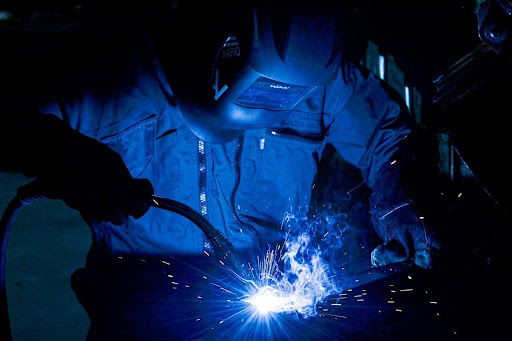
Running a workshop comes with a variety of responsibilities, and ensuring safety is among the most important. From protecting workers’ eyes, hands, and respiratory systems to maintaining a secure work environment, safety gear is essential. However, the cost of protective equipment can add up quickly, particularly for smaller workshops or businesses with tight budgets.
Finding the balance between quality and affordability is crucial to maintaining safety standards without straining finances. Here are five practical tips to help manage safety gear costs effectively.
1. Prioritize Essential Equipment
Start by identifying which safety gear is absolutely necessary for your workshop operations. This often includes protective eyewear, gloves, hearing protection, and fire-resistant clothing. Prioritizing essential equipment ensures that the most critical safety measures are addressed first, preventing accidents and injuries while maintaining budget control.
For instance, high-quality protective helmets for welding are a priority for any workshop performing metal fabrication or welding tasks. Investing in durable, certified equipment provides long-term protection and can reduce the need for frequent replacements.
2. Invest in Long-Lasting Gear
While high-quality equipment may come with a higher upfront cost, it often pays off over time. Durable products last longer, withstand demanding conditions, and maintain performance standards, reducing replacement frequency.
In welding workshops, using reliable helmets like Miller welding helmets ensures consistent protection while minimizing long-term expenses. Choosing well-built safety gear from trusted manufacturers reduces the risk of injury and avoids the hidden costs of low-quality alternatives that wear out quickly.
3. Take Advantage of Bulk Purchases and Supplier Programs
Buying safety gear in bulk or working with suppliers who offer loyalty or discount programs can help lower costs per item. Many suppliers provide package deals or ongoing partnerships that make sourcing high-quality equipment more affordable.
Additionally, establishing relationships with trusted suppliers allows workshop owners to access advice on the best products for safety and durability, ensuring that purchases align with both operational needs and budget constraints.
4. Maintain and Inspect Equipment Regularly
Proper maintenance can extend the life of safety gear and reduce replacement costs. Regular inspections, cleaning, and storage practices prevent premature wear and help identify issues before they compromise safety.
For example, helmets, gloves, and respiratory equipment should be cleaned and checked after each use. Repairing minor damage or replacing worn components in a timely manner keeps gear functional and safe without requiring full replacements.
5. Build Flexibility Into Your Budget
Even with careful planning, unexpected expenses can arise, such as equipment wear, regulatory changes, or new safety requirements. Allocating a portion of your budget for flexibility ensures that you can address these challenges without disrupting operations.
Financial tools and resources like Lamina can provide additional flexibility, allowing workshop owners to manage short-term cash flow needs while keeping safety priorities intact. By incorporating contingency funds and strategic financial planning, workshops can maintain high safety standards without compromising other areas of the business.
Balancing safety gear costs with a workshop budget requires thoughtful planning, prioritization, and a focus on long-term value. Investing in essential, high-quality equipment, maintaining gear properly, leveraging supplier programs, and allocating flexible resources can help workshops protect their teams while staying financially responsible.
Choosing durable and reliable gear ensures consistent protection, while access to adaptable financial resources provides peace of mind when unexpected expenses arise. Ultimately, the key to successfully managing safety costs lies in careful planning, informed decision-making, and a proactive approach to both equipment and finances. By taking these steps, workshops can foster a safe, productive environment while keeping costs under control.
