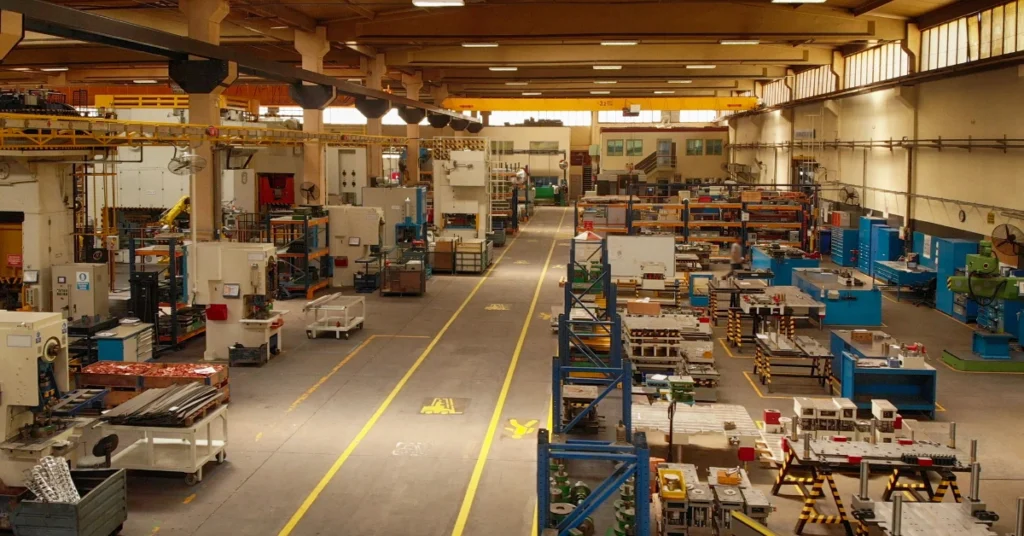
China has become one of the most powerful manufacturing and trading hubs in the world. From small consumer goods to heavy industrial machinery, millions of businesses depend on Chinese suppliers to build and expand their operations. For entrepreneurs and importers, understanding how sourcing works in China can make the difference between a successful business and a costly mistake.
However, entering this market without proper knowledge can be challenging. Issues like supplier verification, quality control, negotiation, and logistics often confuse new buyers. That is why many businesses rely on experienced intermediaries and trusted manufacturers to simplify the process and reduce risks.
Understanding the Chinese Wholesale Ecosystem
China’s wholesale system is massive and highly organized. Cities like Yiwu, Guangzhou, and Shenzhen host some of the largest wholesale markets in the world. These markets are filled with thousands of suppliers offering similar products at different price points and quality levels.
For a new buyer, this environment can feel overwhelming. On the surface, many products may look identical, but in reality, there can be significant differences in materials, durability, and manufacturing standards. This is why experience and local knowledge play a crucial role in making the right purchasing decisions.
One of the biggest challenges international buyers face is identifying trustworthy suppliers. Not every supplier in the market is a factory, and not every factory maintains consistent quality. Without proper verification, buyers risk receiving low-quality goods or facing delays in production.
The Role of Local Support in Sourcing
To navigate this complex system, many businesses rely on local sourcing professionals. A Yiwu sourcing agent, for example, acts as a bridge between international buyers and Chinese suppliers. Their job is not just to find products but to manage the entire sourcing process from start to finish.
These professionals usually live in China and have direct access to suppliers, factories, and markets. Because of their location and experience, they understand which suppliers are reliable and which ones should be avoided. They also know how to negotiate prices effectively, which can significantly reduce overall costs.
Their responsibilities typically include supplier identification, price negotiation, product sampling, quality inspection, order consolidation, and shipping coordination. This end-to-end support helps buyers save time and avoid costly mistakes.
Another important advantage of working with local experts is communication. Language barriers often create misunderstandings between buyers and suppliers. Having someone who can communicate fluently in both languages ensures that product specifications, pricing, and delivery terms are clearly understood by both parties.
Why Quality Control Matters in International Trade
One of the most critical aspects of importing from China is quality control. Even small differences in product specifications can lead to major issues when goods are shipped internationally. For example, incorrect materials, poor stitching, or weak packaging can result in customer complaints and financial losses.
That is why inspection before shipment is essential. Many sourcing professionals conduct factory visits to ensure that production standards are maintained. They also check random samples from bulk orders to verify consistency.
Quality control is not just about avoiding defective products; it is also about building long-term business trust. Consistently delivering high-quality goods helps importers build strong reputations in their local markets.
The Growing Demand for Industrial Machinery
In addition to consumer goods, China is also a major supplier of industrial machinery. Many manufacturing businesses depend on Chinese equipment to set up or upgrade their production lines. The machinery sector includes packaging machines, food processing equipment, textile machinery, construction tools, and fully automated production systems.
Industrial machinery plays a vital role in improving productivity and reducing labor costs. Modern machines are designed to handle large-scale operations with high efficiency and precision. This makes them an essential investment for factories and production-based businesses.
One important aspect of machinery sourcing is customization. Many manufacturers offer tailor-made solutions based on the buyer’s specific production requirements. This means businesses can order machines designed specifically for their workflow, production capacity, and product type.
Choosing the Right Machinery Supplier
Selecting a reliable machinery supplier is just as important as choosing the right product. A trusted supplier ensures not only quality equipment but also long-term support, including installation, training, and maintenance.
Some suppliers specialize in specific industries, while others offer a wide range of machinery solutions. For example, companies like kingslermachinery are often associated with industrial equipment sourcing and manufacturing solutions that cater to different production needs.
When evaluating a machinery supplier, buyers should consider factors such as production experience, technical capabilities, after-sales service, and availability of spare parts. A good supplier does not just sell machines; they provide ongoing support to ensure smooth operation.
Combining Product Sourcing with Machinery Procurement
Many successful import businesses combine both product sourcing and machinery procurement strategies. On one side, they import ready-made goods for resale. On the other, they invest in machinery to build or expand their own production capabilities.
This dual approach allows businesses to grow in multiple directions. While imported products generate immediate revenue, machinery investments help build long-term manufacturing capacity. Together, they create a more stable and scalable business model.
For example, a company might import packaging materials while also investing in packaging machines to eventually produce those materials locally. This reduces dependency on external suppliers and increases profit margins over time.
Challenges in Sourcing from China
Despite its advantages, sourcing from China is not without challenges. One of the most common issues is inconsistent quality between samples and bulk orders. Another challenge is communication gaps, especially when dealing directly with factories that do not speak fluent English.
Shipping delays, customs procedures, and unexpected costs can also create difficulties for new importers. Without proper planning, these issues can affect business timelines and profitability.
However, most of these challenges can be managed with proper research, experienced guidance, and strong supplier relationships. Businesses that invest time in understanding the sourcing process usually achieve better long-term results.
Building a Sustainable Import Strategy
A successful sourcing strategy is not just about finding the cheapest supplier. It is about building long-term relationships, ensuring consistent quality, and maintaining reliable supply chains. Businesses that focus only on price often face quality issues later, while those who prioritize reliability tend to grow more sustainably.
Working with experienced sourcing professionals and verified suppliers helps reduce risks and improve efficiency. Over time, this leads to stronger business operations and better market competitiveness.
Final Thoughts
Sourcing from China offers huge opportunities for businesses worldwide. Whether it is consumer goods from wholesale markets or advanced industrial machinery, the growth potential is significant. However, success depends on proper planning, reliable partnerships, and a clear understanding of the sourcing process.
With the right support system and trustworthy suppliers, businesses can minimize risks and maximize profits. In the long run, building strong relationships in the Chinese supply chain can become a major advantage in the global marketplace.
