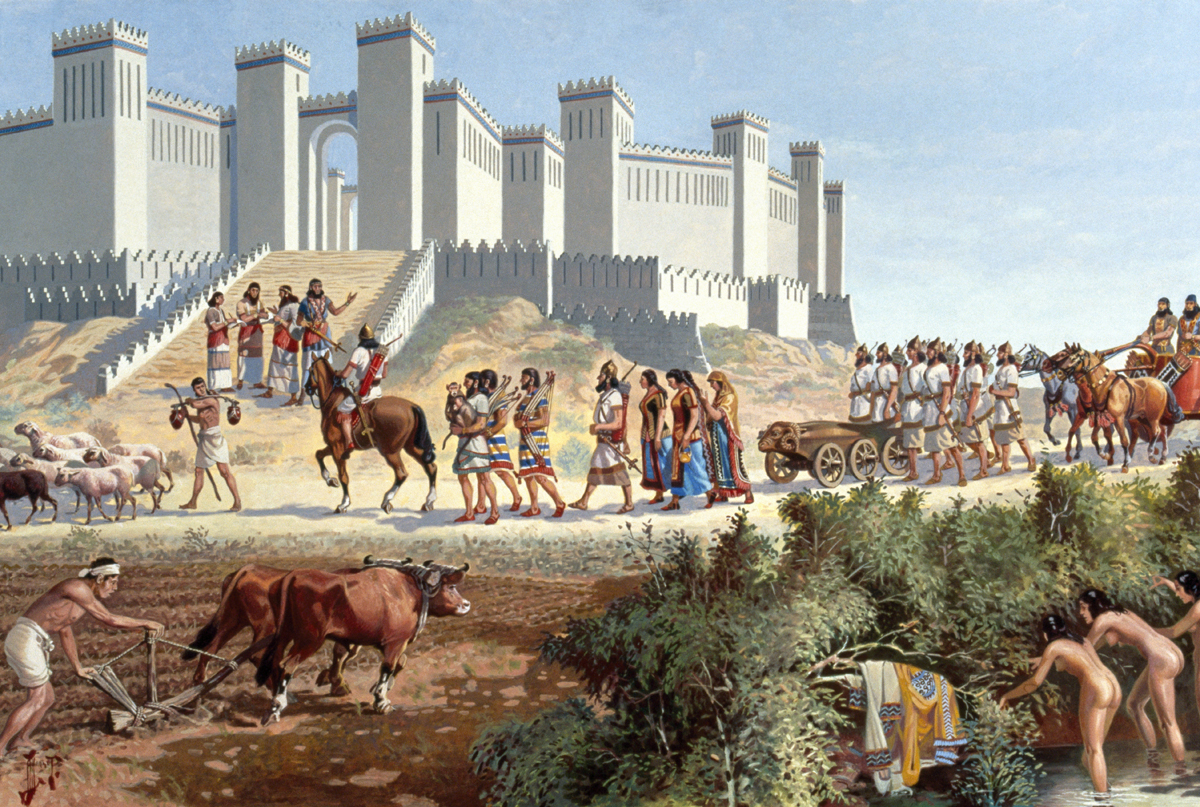
The study of ancient civilizations offers an extraordinary glimpse into humanity’s earliest achievements and challenges. Long before the modern era, humans organized themselves into complex societies that laid the groundwork for contemporary culture, politics, and technology. These societies developed in diverse regions of the world, each with unique customs, innovations, and philosophies that continue to influence the present. By examining ancient civilizations, historians, archaeologists, and scholars gain insight into human creativity, resilience, and adaptation.
The Origins of Ancient Civilizations
The rise of ancient civilizations can be traced back to the Neolithic Revolution, around 10,000 BCE, when humans transitioned from nomadic lifestyles to settled agricultural communities. This shift allowed for population growth, the establishment of permanent settlements, and the development of social hierarchies.
Regions with fertile soil and abundant water sources, such as Mesopotamia between the Tigris and Euphrates Rivers, the Nile Valley in Egypt, and the Indus Valley, became cradles of civilization. These environments provided the resources needed for ancient civilizations to thrive, enabling the growth of cities, trade networks, and cultural practices.
Mesopotamia: The Cradle of Civilization
Mesopotamia, often referred to as the “Cradle of Civilization,” was home to some of the earliest ancient civilizations. The Sumerians, Akkadians, Babylonians, and Assyrians developed advanced urban centers, writing systems, and legal codes. The Sumerians, for example, are credited with inventing cuneiform writing, one of the earliest known scripts.
Their innovations in irrigation, agriculture, and architecture set a precedent for future societies. In Mesopotamia, religion, governance, and commerce were deeply intertwined, shaping social organization and influencing neighboring regions for centuries.
Ancient Egypt: Civilization Along the Nile
Ancient Egypt represents one of the most iconic ancient civilizations in history. Flourishing along the fertile banks of the Nile River, Egyptians developed a society renowned for monumental architecture, advanced mathematics, and a complex religious system. The construction of the pyramids and the Sphinx illustrates their remarkable engineering skills and dedication to the afterlife.
Hieroglyphics, Egypt’s sophisticated writing system, provided a means to document religious texts, administrative records, and cultural achievements. Ancient Egypt’s influence extended beyond the Nile, impacting trade, art, and political structures throughout the Mediterranean and Near East.
The Indus Valley Civilization: Urban Planning and Trade
The Indus Valley Civilization, located in present-day Pakistan and northwest India, is another significant example of early ancient civilizations. Flourishing around 2500 BCE, this civilization is known for its highly organized urban planning, advanced drainage systems, and extensive trade networks. Cities like Harappa and Mohenjo-Daro demonstrate meticulous design, with standardized bricks and grid-based streets.
Despite the lack of deciphered written records, archaeological evidence suggests a society with strong governance, economic organization, and cultural complexity. The Indus Valley Civilization’s achievements reflect a sophisticated understanding of urban management and civic infrastructure.
Ancient China: Dynasties and Cultural Innovation
In East Asia, ancient China emerged as one of the most influential ancient civilizations. Early Chinese society developed along the Yellow River, where agriculture and metallurgy flourished. Dynastic rule, starting with the Shang and Zhou dynasties, provided political stability, technological advancement, and cultural continuity.
Innovations such as bronze casting, silk production, and the development of a written language laid the foundation for China’s enduring civilization. Philosophical and ethical systems, including Confucianism and Daoism, emerged, shaping governance, social behavior, and moral thought. Ancient China’s contributions continue to resonate in modern culture and societal structures.
Mesoamerican Civilizations: The Maya, Aztec, and Olmec
The Americas were home to vibrant ancient civilizations long before European contact. The Olmec, often considered the “mother culture” of Mesoamerica, developed monumental stone heads, religious iconography, and early writing systems. Later, the Maya and Aztec civilizations advanced astronomy, mathematics, and architecture.
The Maya constructed elaborate city-states with temples, pyramids, and observatories, while the Aztecs created a complex empire centered in Tenochtitlan, with intricate canals, marketplaces, and monumental architecture. These civilizations displayed a deep understanding of agriculture, celestial cycles, and societal organization, highlighting the sophistication of pre-Columbian cultures.
Ancient Greece: Philosophy, Democracy, and the Arts
Ancient Greece represents a cornerstone in the history of ancient civilizations, particularly in terms of intellectual and artistic achievements. Greek city-states, such as Athens and Sparta, developed unique political systems, including the earliest forms of democracy. Philosophers like Socrates, Plato, and Aristotle explored ethics, politics, and metaphysics, shaping the foundations of Western thought.
Greek contributions in literature, theater, and visual arts set enduring standards of excellence and beauty. The Hellenistic period, following Alexander the Great’s conquests, spread Greek culture across the Mediterranean and Near East, blending with local traditions to create a rich tapestry of ideas and practices.
Ancient Rome: Empire and Innovation
Following Greece, Ancient Rome emerged as a dominant force among ancient civilizations, establishing one of history’s most extensive empires. Rome’s achievements encompassed law, engineering, military strategy, and urban planning. The construction of aqueducts, roads, and monumental buildings like the Colosseum reflects Rome’s architectural and engineering prowess.
Roman law laid the groundwork for modern legal systems, while the Latin language and literature influenced countless cultures. The Roman Republic and later the Roman Empire demonstrated sophisticated governance, social organization, and cultural integration, leaving a legacy that profoundly shaped Europe and beyond.
Ancient Africa: Beyond Egypt
While Ancient Egypt often dominates discussions, Africa hosted numerous other important ancient civilizations. The Kingdom of Kush, located south of Egypt, developed its own complex culture, pyramids, and writing system. Carthage, in North Africa, became a major maritime power, controlling trade across the Mediterranean.
Sub-Saharan societies, such as Great Zimbabwe, demonstrated advanced stone architecture, trade networks, and social organization. These civilizations reveal the diversity and richness of African history, highlighting innovation, cultural exchange, and resilience in varying geographic and environmental contexts.
Ancient Civilizations in the Middle East
The Middle East is often referred to as the birthplace of ancient civilizations due to its early agricultural and urban developments. In addition to Mesopotamia, civilizations such as the Hittites, Phoenicians, and Persians left enduring legacies. The Hittites contributed to legal systems and ironworking technology. The Phoenicians, famous for their seafaring and trade, developed an alphabet that influenced Greek and Latin scripts.
The Persian Empire, under leaders like Cyrus the Great and Darius I, established innovative administrative systems and infrastructure, promoting cultural exchange across vast territories. These civilizations collectively shaped regional and global history through governance, commerce, and cultural integration.
The Role of Religion and Mythology
Religion and mythology were central to many ancient civilizations, influencing governance, art, and daily life. In Mesopotamia, the belief in multiple gods dictated rituals and shaped social hierarchies. Ancient Egyptians’ focus on the afterlife drove monumental architectural projects and spiritual practices. In Mesoamerica, the Maya and Aztecs built temples and conducted ceremonies aligned with celestial movements, reflecting a cosmological worldview.
Ancient Greece and Rome integrated mythology into literature, philosophy, and civic life, while ancient India and China developed religious systems that guided moral and social conduct. Religion provided structure, identity, and cohesion, allowing civilizations to flourish.
Technological and Scientific Contributions
Ancient civilizations were not only cultural powerhouses but also centers of technological and scientific innovation. The Sumerians developed early forms of mathematics and astronomy to aid in agriculture and trade. Egyptians refined techniques in medicine, engineering, and irrigation. Ancient China invented paper, the compass, and gunpowder, revolutionizing human society.
The Maya created accurate calendars and mathematical systems, while Greek and Roman thinkers contributed to geometry, medicine, and mechanics. These advancements illustrate the human drive to understand, innovate, and improve life within the constraints of available resources and knowledge.
Trade and Economic Systems
Trade and economic organization were vital to the sustainability of ancient civilizations. Mesopotamian city-states traded grain, textiles, and crafts, while Egypt exported gold, papyrus, and grain along the Nile and across the Mediterranean. The Indus Valley maintained long-distance trade networks with Mesopotamia, exchanging goods such as beads, metals, and spices.
In Mesoamerica, the Maya and Aztecs traded cacao, textiles, and obsidian across vast regions. These trade systems facilitated cultural exchange, technological diffusion, and wealth accumulation, enabling civilizations to grow in complexity and influence.
Art, Architecture, and Cultural Expression
Art and architecture provide a window into the values, beliefs, and daily lives of ancient civilizations. Egyptian tomb paintings, Mesopotamian ziggurats, Greek temples, and Roman amphitheaters illustrate technical skill and aesthetic sensibilities. Mesoamerican pyramids and sculptures reflect religious and political priorities.
The Indus Valley’s standardized seals and urban planning demonstrate practical artistry and civic design. These forms of expression served not only functional purposes but also conveyed identity, power, and spiritual significance, offering modern scholars a tangible link to the past.
The Decline of Ancient Civilizations
Despite their achievements, ancient civilizations often faced decline due to internal and external factors. Environmental changes, such as droughts or soil depletion, disrupted agriculture and food supply. Political instability, corruption, and invasion weakened centralized authority. Economic challenges, including trade disruption or resource scarcity, contributed to social unrest.
The fall of empires like Rome and the Indus Valley Civilization illustrates how complex societies are vulnerable to a combination of environmental, political, and economic pressures. Understanding these declines provides insight into the fragility and resilience of human systems.
Legacy of Ancient Civilizations
The legacy of ancient civilizations is visible in modern law, governance, language, science, and culture. Greek philosophy continues to influence education and political thought. Roman law informs modern legal systems, while Chinese inventions shaped global technology and trade. Architectural principles, artistic styles, and literary forms from ancient societies endure in contemporary culture.
Studying these civilizations enriches our understanding of human development, highlighting patterns of innovation, adaptation, and cultural exchange that continue to define societies today.
Conclusion: Lessons from Ancient Civilizations
Exploring ancient civilizations allows us to appreciate the ingenuity, creativity, and resilience of early humans. From the agricultural villages of the Neolithic era to sprawling empires and urban centers, these societies laid the foundations for modern civilization.
Their achievements in governance, technology, art, and culture continue to resonate, reminding us that humanity’s progress is built upon the legacies of those who came before.
By studying ancient civilizations, we gain perspective on the challenges and triumphs of human history, inspiring us to apply lessons from the past to our present and future endeavors.
