Introduction: Why People Actually Remember Some Events and Forget Others
Community events aren’t just about gathering people anymore. Most attendees can tell within minutes whether something feels genuinely connected to real life or whether it has been overly staged. And interestingly, what people remember is rarely perfection. It’s usually the opposite – small moments that felt real. A slightly chaotic schedule that still worked out. A conversation that wasn’t on the agenda. A space that felt comfortable without trying too hard. The truth is simple: people don’t remember “perfect events.” They remember events that felt human.
When an Event Actually Reflects the Place It Exists In
There’s a big difference between “themed” and “rooted.” Some events look nice on paper but could exist anywhere in the world. Others feel like they belong exactly where they are. That feeling usually comes from small things that don’t try too hard. A local performer who already plays in the neighbourhood. Food that people actually recognise from home, not something overly curated. A volunteer who speaks to guests as if they already belong there. Even large event platforms like Eventbrite have pointed out in recent insights that people tend to return to events where they feel culturally familiar. Not impressed, just familiar. And familiarity is underrated. It lowers barriers instantly.
The Shift from Watching to Actually Being Part of It
The old model of events was simple: people sit, listen, leave. That doesn’t really work anymore. The events people talk about later are the ones where they did something, even if it was small. Writing a note on a shared board. Joining a spontaneous discussion. Asking a question, they didn’t plan to ask. Getting pulled into a conversation they didn’t expect.
Even digital features have changed expectations such as live polls, open chats, and audience input. Not because they’re “interactive,” but because they quietly tell people: you matter here too. And that changes how people remember everything else.
The Details Nobody Lists, But Everyone Feels
Most event planning discussions focus on big things: speakers, agenda, branding. But attendees usually notice something else entirely. Can people actually talk without shouting? Is there space to step away for a moment? Does the event feel rushed, or does it breathe a little? These aren’t major details. Nobody posts about them. But they decide whether someone feels comfortable or drained by the end of the day.
Harvard Business Review has repeatedly highlighted something similar in experience design studies: emotional comfort shapes memory far more than information does. People forget slides. They don’t forget how they felt sitting there.
The Real Start of an Event Is Before It Even Begins
 By the time someone arrives at an event, their impression is already partially formed. They’ve seen the posts. Maybe they’ve seen a short video clip. Maybe they’ve interacted with a poll or a teaser question online. That early exposure quietly builds expectation. And when attendees start sharing content before the event even happens, something shifts. It stops being just “an event announcement” and starts becoming a shared build-up. By the time the doors open, people don’t feel like strangers anymore.
When Purpose Quietly Changes Everything
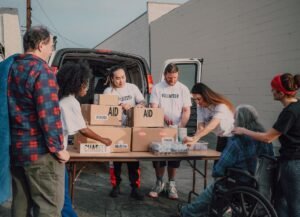
There’s a difference between events that exist just to “happen” and events that exist for a reason. People can sense it. Events tied to education, support, or community benefit tend to carry a different weight. Not because they say they do, but because the intention is clearer. Sometimes that includes collaborations with organisations such as Muslim charity, where the event isn’t just a gathering but part of a wider effort to support communities in practical, meaningful ways. And when that layer of purpose is present, something subtle changes; people don’t just attend, they participate differently. More attentively. More willingly.
Ideas Don’t Travel Inside Industries Anymore
Event design today borrows from everywhere. Tech influences how personalisation works. Healthcare thinking influences accessibility. Retail psychology influences how people move through spaces without even realising it.
Even hybrid experiences something discussed widely in World Economic Forum reports are changing what people expect. Events aren’t seen as one-off moments anymore. They’re expected to continue digitally, adapt easily, and remain accessible beyond a single location or day. So expectations have shifted quietly. Flexibility is no longer a bonus. It’s assumed.
Closing Thought: Nothing “Creates” Authenticity On Its Own
Authenticity in events isn’t a feature that can be added at the end. It shows up in smaller decisions: how people are welcomed, how space is used, how much room is left for unscripted moments, and whether the event actually feels like it belongs to the people in it. When those pieces line up, something interesting happens. People stop describing the event. They start describing how it felt. And that’s usually the difference between something attended… and something remembered.
