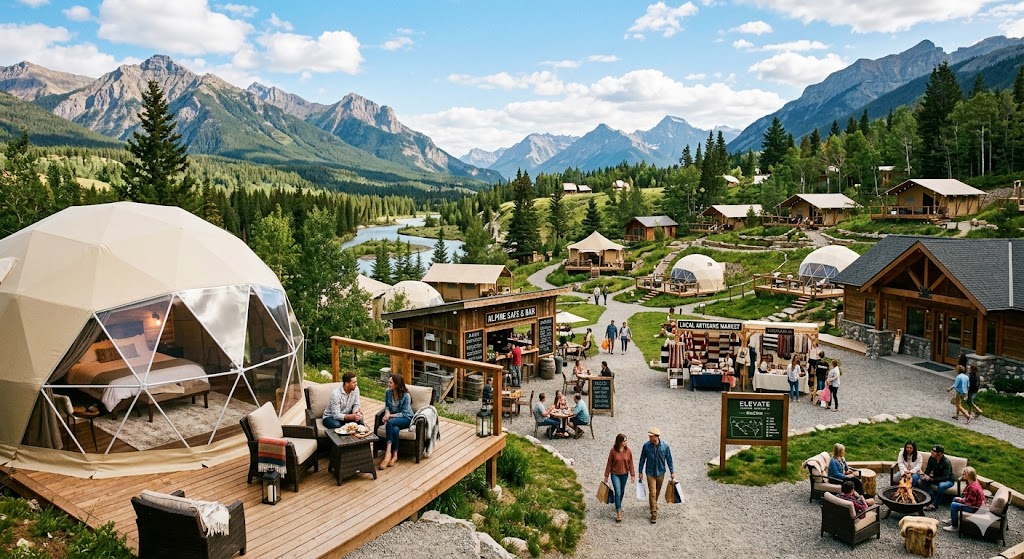
The glamping economy has emerged as one of the most fascinating trends in the global tourism and hospitality sector. Combining the words “glamorous” and “camping,” glamping represents a new way of experiencing nature without giving up comfort, style, and convenience. Unlike traditional camping, where travelers often deal with basic facilities and limited amenities, glamping offers unique accommodations such as luxury tents, eco-lodges, treehouses, yurts, cabins, and safari-style retreats.
Understanding the Growth of the Glamping Economy
The glamping economy has expanded rapidly because it meets the needs of a new generation of travelers. Traditional tourism often focuses on destinations, sightseeing, and accommodation, but glamping adds an emotional and experiential element. Travelers are not only booking a place to sleep; they are purchasing an experience that includes adventure, relaxation, privacy, and connection with nature.
The COVID-19 pandemic also accelerated interest in outdoor travel. Many people became more comfortable with nature-based vacations because they offered open spaces, fewer crowds, and a sense of safety compared to crowded hotels. Although travel patterns have changed, the demand for private and immersive stays continues to support the expansion of the glamping industry.
The Economic Impact of Glamping Businesses
The glamping economy creates opportunities beyond accommodation. A successful glamping site can support various industries, including construction, interior design, food services, transportation, local tourism activities, and environmental management. Owners often collaborate with nearby communities to provide local products, guided tours, cultural experiences, and outdoor adventures.
Glamping businesses also create employment opportunities. Staff members may be needed for hospitality services, maintenance, cleaning, guest management, outdoor activities, and food preparation. In regions with limited job opportunities, these businesses can provide valuable economic benefits while encouraging sustainable tourism growth.
Why Consumers Are Choosing Glamping Over Traditional Camping
Traditional camping has always attracted adventure lovers, but it requires preparation, equipment, and a willingness to sacrifice comfort. Many people enjoy nature but do not want to deal with sleeping bags, uncomfortable weather conditions, insects, or complicated setups. Glamping solves these challenges by offering a balance between outdoor adventure and luxury.
Today’s travelers are looking for convenience. A glamping experience may include comfortable furniture, electricity, heating or cooling systems, private kitchens, stylish decorations, and hotel-quality services. This allows families, couples, and even older travelers to enjoy outdoor environments without the difficulties commonly associated with camping.
The Role of Sustainability in the Glamping Economy
Sustainability is one of the strongest drivers behind the growth of the glamping economy. Many travelers are becoming more aware of environmental issues and prefer tourism options that minimize ecological damage. Glamping businesses often promote eco-friendly practices such as renewable energy, recycled materials, water conservation, and low-impact construction.
Unlike large hotels that may require significant infrastructure development, many glamping projects can operate with smaller environmental footprints. Temporary structures, modular designs, and environmentally responsible materials allow businesses to create comfortable accommodations while preserving natural landscapes.
Investment Opportunities in the Glamping Market
The expansion of the glamping economy has attracted entrepreneurs and investors searching for new opportunities in tourism. Compared with traditional hotels, some glamping projects can require lower initial investment because they may use smaller structures and simpler infrastructure. This makes the industry appealing to individuals who want to enter hospitality without building a large-scale resort.
Investors are exploring different types of glamping concepts, from luxury wilderness retreats to affordable family-friendly camping experiences. The flexibility of the business model allows operators to target various customer segments. Some locations focus on premium travelers seeking exclusive experiences, while others attract budget-conscious tourists looking for comfortable outdoor stays.
How the Glamping Economy Is Creating New Lifestyle Experiences
The growth of the glamping economy is not only changing the way people travel but also influencing modern lifestyle choices. Many travelers now view vacations as opportunities for personal growth, mental relaxation, and emotional connection rather than simple breaks from work. Glamping perfectly matches this mindset by offering peaceful environments where guests can enjoy nature while maintaining the comfort and convenience they are used to.
Modern glamping experiences often include activities designed around wellness and personal improvement. Yoga sessions, meditation areas, nature walks, outdoor dining, spa treatments, and digital detox programs are becoming common features at luxury camping destinations. These experiences attract travelers who want to escape stressful routines and focus on health, relaxation, and mindfulness.
The Connection Between Glamping and Rural Tourism Development
One of the most significant effects of the glamping economy is its contribution to rural tourism. Many rural communities have beautiful landscapes but lack large tourism infrastructure. Glamping provides a way to attract visitors without requiring massive hotels or urban development.
By transforming unused land into attractive destinations, rural areas can create new sources of income. Farmers, landowners, and local entrepreneurs can benefit by offering accommodation, local food, cultural activities, and outdoor experiences. This approach helps distribute tourism income beyond major cities and popular tourist locations.
Luxury Design and Innovation in the Glamping Industry
Design has become a major competitive advantage in the glamping economy. Unlike traditional camping, where the focus is mainly on outdoor survival, glamping places strong emphasis on architecture, interior design, and atmosphere. Businesses are investing in creative accommodation concepts to attract travelers who want something unique.
Popular designs include transparent bubble tents, luxury cabins, safari tents, treehouses, floating lodges, and modern eco-pods. Each design aims to create a memorable experience while blending with the surrounding environment. The uniqueness of these accommodations often becomes a key reason why customers choose one glamping destination over another.
Technology and the Future of the Glamping Economy
Technology has become an important part of the modern glamping experience. Many glamping operators use online booking platforms, digital marketing, virtual tours, and smart accommodation systems to attract customers and improve operations. Travelers can now discover unique destinations, compare experiences, and make reservations easily through digital platforms.
Data and analytics are helping businesses understand customer preferences. Operators can analyze booking patterns, reviews, and traveler behavior to improve services and create better packages. As technology continues to develop, the glamping industry is likely to become more efficient and competitive.
The Social Media Influence on Glamping Growth
Social media has played a major role in making glamping a global trend. Travelers often share photos and videos of unique accommodations, beautiful landscapes, and memorable experiences. These posts inspire others to visit similar destinations and increase awareness of glamping brands.
Visual appeal is especially important in the glamping economy. A creative design, impressive location, or unique concept can become a powerful marketing tool. Many businesses invest in attractive architecture and memorable experiences because guests naturally share destinations that feel special and different.
The Future Outlook of the Glamping Economy
The future of the glamping economy appears promising as travelers continue to prioritize experiences, wellness, sustainability, and personalized adventures. The industry is expected to expand as more people seek alternatives to traditional hotels and crowded tourist destinations.
The growth of the glamping economy demonstrates how consumer behavior can transform entire industries. What started as a niche travel trend has developed into a major sector within hospitality, creating new business models and redefining the relationship between luxury and nature.
Conclusion
The glamping economy represents the evolution of modern travel by combining outdoor adventure with premium comfort. It has created new opportunities for entrepreneurs, supported local economies, encouraged sustainable tourism, and changed how people experience nature.
As travelers continue searching for meaningful and memorable vacations, glamping is likely to remain a powerful force in the hospitality industry. Its ability to provide relaxation, adventure, and luxury in natural settings makes it more than just a travel trend—it is a growing economic movement shaping the future of tourism.
You May Also Read: Ang3lblu33
