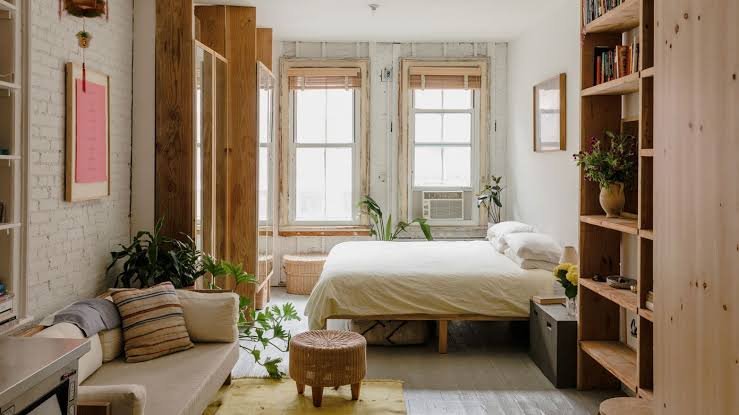
Bedroom size is the thing people notice last and regret first. Everyone plans the kitchen and the living space, then treats bedrooms as somewhere to drop a bed. The result is a room too tight to walk around, a wardrobe that blocks the door, or a box room that fails to count as a proper bedroom at all.
Getting this right from the start saves money and adds value. A good construction design agency plans bedrooms to meet the real standards, not just to fit a bed. Here is what they wish more homeowners knew before the walls go up.
What Is the Minimum Size for a Double Bedroom in the UK?
Under the Nationally Described Space Standard, a double bedroom should be at least 11.75 square metres, with a width of about 2.75 metres. Anything much smaller cannot honestly be sold or let as a proper double.
That floor area is not just for the bed. It leaves room for a wardrobe, a bedside table, and maybe a dressing table or small couch without the room feeling cramped.
If you are adding or converting bedrooms, knowing the standard size of double bedroom rules early stops you building a room that fails to count as what you wanted it to be.
How Big Does a Single Bedroom Need to Be?
A single bedroom should be at least 7.5 square metres under the same standard, with a width of around 2.15 metres. That is enough for a single bed, a wardrobe, and a small desk.
Go below this and the room stops working as a real bedroom. It becomes a study or a box room, whatever the estate agent calls it.
A good design agency sizes single rooms to hit this figure, so every bedroom in the house genuinely counts. A room that just misses the standard drags down the whole property.
What Do the Legal Rules Actually Say?
The Housing Act 1985 set space standards to stop overcrowding across England. These rules govern how many people can sleep in a room based on its size.
A room under about 4.6 square metres is not suitable for an adult to sleep in. Between roughly 6.5 and 8.4 square metres suits one person over ten. Above 8.4 square metres can take two people over ten.
The same rules say adults and children over ten should not share a room. A good agency designs with these standards in mind, especially on flat conversions where the rules are checked closely.
When Does a Bedroom Count as a Master?
There is no strict legal size for a master bedroom, but once a room passes about 14 square metres it falls into master territory. At that point how you use the space is up to you.
A master this size can take a king bed, wardrobes down one wall, and still leave room to move. Some people add a seating area or an ensuite off it.
A good agency plans the master to feel generous without stealing so much space that the other bedrooms suffer. Balance across the whole floor matters more than one huge room.
Does the Bed Size Change the Room You Need?
Yes, and people forget this. The bed you want dictates the floor space around it. A double bed is 135cm wide and 190cm long. A king is 150 by 200, and a super king is 180 by 200.
The bigger the bed, the more floor you need around it to walk, open wardrobes, and not bang your shins in the dark. A super king in a minimum sized double leaves almost no room to move.
A good design agency starts with the bed you actually want, then sizes the room around it. That way the finished bedroom works in real life, not just on the floor plan.
Why Are New Build Bedrooms Smaller Than Old Ones?
Older homes, especially those built before 1960, tend to have bigger bedrooms. Land was cheaper and rooms were built more generously.
Newer homes are tighter because land and build costs have climbed, so space gets used more carefully. That makes good design far more important in a modern home, since there is less room to waste.
This is where a construction design agency earns its keep. Built in storage, clever layouts, and using awkward corners can make a smaller modern bedroom work as well as a larger old one. The space you have matters less than how well it is planned.
How Does Bedroom Size Affect Your Home’s Value?
The number of proper bedrooms is one of the first things buyers filter on. A room that cannot honestly be called a double drags that number down, whatever you label it.
Turning a three bed into a genuine four bed, with rooms that all meet the standards, can add real value. But only if those rooms are actually the right size. A box room called a bedroom fools nobody.
A good agency plans bedrooms that hold up both to live in and to sell. Right size, good position, proper finish. That is the quiet difference between a house that feels right and one that always leaves you wishing you had thought about the bedrooms a bit harder.
