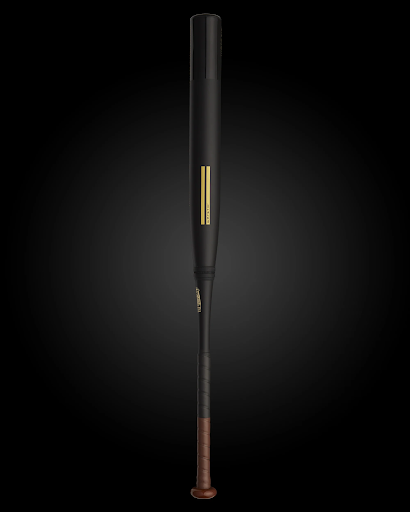
Choosing the right bat is an important decision for any slow-pitch softball player. The right equipment can improve comfort, confidence, swing control, and overall performance at the plate. With so many materials, weights, designs, and certifications available, it can be difficult to know where to start. Whether you are a beginner or an experienced player, understanding the most important features can help you select the right Slowpitch Softball Bats for your playing style and league requirements.
Understand Your Playing Style
The first step is to consider how you approach hitting. Every player has different strengths, swing speeds, and preferences.
Power hitters may want a bat that provides more mass toward the barrel, while contact-focused players may prefer a balanced design that offers easier control. Think about whether your priority is maximum power, faster swing speed, consistency, or a combination of these qualities.
Choosing a bat that matches your natural swing can make hitting feel more comfortable and predictable.
Choose the Appropriate Weight
Bat weight is one of the most important factors to evaluate when shopping for Slowpitch Softball Bats. A heavier bat can provide greater momentum, but it can also require more strength and control.
A lighter bat may allow you to generate faster swing speeds and maintain better control. However, going too light may change the feel of your swing and reduce the power you are comfortable generating.
The best choice is usually a weight that you can swing smoothly without sacrificing control or timing.
Consider Bat Length
Length also affects how a bat feels and performs. A longer bat may provide additional reach, while a shorter option can feel easier to control.
Most adult slow-pitch softball bats fall within a relatively standard range, but personal preference still matters. Your height, strength, swing mechanics, and hitting approach can influence which length feels best.
If possible, test different lengths before buying. A few practice swings can help you determine whether a particular bat feels natural.
Compare Balanced and End-Loaded Bats
Weight distribution is another important consideration. Balanced bats distribute their weight more evenly, which can make them easier to swing and control.
End-loaded bats place more weight toward the barrel. This can provide a stronger feeling through contact and may appeal to experienced power hitters.
If you are a beginner, a balanced bat may be easier to manage while developing your swing. Players with strong swing mechanics may prefer the additional barrel weight of an end-loaded model.
Examine the Bat Material
Slow-pitch softball bats are commonly made from composite, aluminum, or hybrid materials. Each construction type can provide a different feel and performance experience.
Composite bats are often selected for their feel and design characteristics. Aluminum models are commonly valued for durability and consistent performance. Hybrid bats combine different materials to create a balance of features.
When comparing Slowpitch Softball Bats, consider how the material fits your budget, playing frequency, league requirements, and personal preference.
Check League Certification
One of the most important steps before purchasing a softball bat is confirming that it is legal for your league.
Different softball organizations can have specific standards regarding bat performance, construction, dimensions, and certifications. A bat that is suitable for recreational use may not be approved for organized competition.
Always check your league’s current rules and approved equipment requirements before buying. This simple step can prevent you from spending money on a bat that cannot be used in games.
Look at Barrel Design
The barrel is the primary contact area of the bat, so its design can influence how comfortable you feel when hitting.
A larger effective hitting area can provide more opportunity for solid contact, while other barrel designs may prioritize specific performance characteristics.
Do not evaluate the barrel separately from the rest of the bat. Consider its relationship with the bat’s weight, length, balance, and overall construction.
Evaluate the Grip and Handle
A comfortable handle can make a noticeable difference during a game. When holding a bat, pay attention to the grip texture, handle thickness, and overall comfort.
A secure grip can help you maintain control throughout the swing. If the handle feels uncomfortable or causes unnecessary strain, another model may be a better choice.
Take several practice swings if possible and see whether the bat remains comfortable throughout the motion.
Consider Your Budget
Price is another factor when buying Slowpitch Softball Bats. Models are available at different price points, so it is important to establish a realistic budget before shopping.
The most expensive bat is not automatically the best option for every player. A moderately priced bat that matches your size, swing, and league requirements may provide better value than a premium model that does not suit your style.
Consider how frequently you play and how long you expect the bat to last when evaluating its overall value.
Think About Durability and Maintenance
Proper maintenance can help protect your investment. Store your bat according to the manufacturer’s recommendations and avoid conditions that could damage the materials.
Regularly inspect the bat for cracks, dents, or other signs of wear. If you notice significant damage, stop using the bat and follow the manufacturer’s safety guidance.
Taking care of your equipment can help maintain its condition and performance.
Read Reviews and Get Expert Advice
Before making a final decision, researching different models can be helpful. Product specifications can tell you about weight, length, materials, and certifications, while user experiences may provide additional insight into comfort and durability.
You can also ask a coach, experienced teammate, or knowledgeable sporting-goods professional for advice. Their experience may help you identify features that match your playing style.
Conclusion
Buying the right Slowpitch Softball Bats requires careful consideration of several factors. Weight, length, balance, material, barrel design, grip, certification, budget, and durability can all influence your decision.
Start by understanding your own swing and playing goals, then compare bats that meet your league’s requirements. Whenever possible, test a bat before purchasing to make sure it feels comfortable and controllable.
With the right research and a focus on your individual needs, you can choose a slow-pitch softball bat that supports your performance and gives you greater confidence every time you step into the batter’s box.
