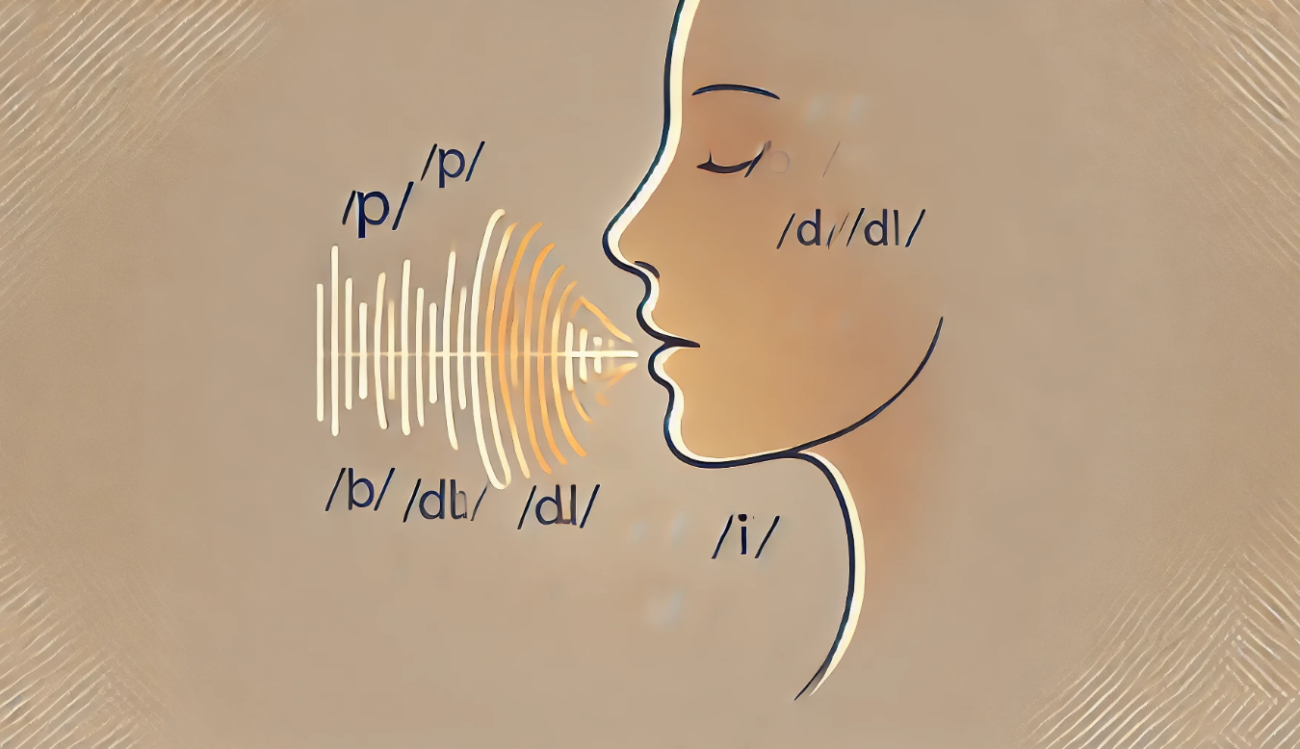
It fascinates me when I consider how there are aspects of language that we use frequently without giving much thought to them, and there is nothing quite as intriguing as onomatopoeia. Buzzing, crashing, whispering. There seems to be something far too obvious about onomatopoeia to study, but doing so reveals so much about how language truly relates to the world around us and our sensory perceptions.
Language rooted in the senses
This linguistic phenomenon shows us that language is not simply an abstract notion with an arbitrary nature; rather, it is in some sense grounded in sensation. A word that mimics a sound makes a connection between the word and what it is supposed to represent through an actual experience, and thus does not share the arbitrary association we typically see in linguistics. Language, the most abstract thing that humans possess, finds its origins in imitation of a physical sound.
The significance of this is that it challenges the widespread understanding of language as an arbitrary sign system. The use of onomatopoeia reveals that there are certain words which exhibit a motivated relationship to meaning and which can be described as non-arbitrary. The element of sensation in language is often overlooked but it is always there, influencing our perception of words. By being aware of this, we gain a deeper appreciation of the nature of language as sensory rather than just abstract.
The expressive power of sound
There is an inherent expressiveness of onomatopoeia because of its ability to appeal to the senses of the reader in a very direct manner. An appropriate onomatopoeia helps in making a description vivid, such that the reader can almost hear what is being referred to. It is due to this reason that writers always make a conscious choice about their usage, in order to make a depiction as immediate and real as possible through sensory means.
Tools that facilitate the creation of sound-words ensure it is very easy to explore this aspect of language and discover the appropriate word. A free onomatopoeia generator lets someone explore sound-words and play with the sensory dimension of language, and the creative judgment about which word best evokes a scene remains, as always, the writer’s own.
Play and sound
The joy with which children engage in playing with onomatopoeic sounds is significant to note. It is an essential type of linguistic play that reminds us of the sensual nature of language and helps keep our connection with language playful and enjoyable. Adults who return to this type of play by paying attention to the sound of the word rather than its meaning usually have a more colorful vocabulary and better hearing of language.
This is why I suggest that writers pay attention to the sound of what they write. Writers should read aloud the text and pay attention to its sound qualities by playing with sound-words and musicality of language. Sound is an essential component in meaning and effect of any text. Onomatopoeia is the best way for writers to discover this feature and understand how expressive sounds can be.
Hearing language anew
Using onomatopoeia will change your relationship with language, as you become much more sensitive to the sounds of words and what they do. You start listening to the music in the writing, to the sounds words make and how this influences their meaning, to the sensory aspect that exists but often goes unnoticed. This added sensitivity helps not only in writing, as there becomes another layer of expressiveness added to writing, but it can also enhance reading.
Listening to words
If you want your writing to be vibrant, pay attention to its sound, and allow the sensory quality of language to help you. Even a little play with sound-words using FaddyAI AI tools can reawaken an awareness of the sonic dimension of language that makes writing more vivid and alive.
Words of imitation, known as onomatopoeia, tell us that language is grounded in sensual experience, not just abstraction, arbitrariness, and expressive power in sound. Focusing on this aspect of language, engaging in the playful act of using sound-words and musical language, enhances the quality of both written expression and comprehension, tapping into a level of expressiveness beyond what semantically based analysis offers. Language is to be heard as well as understood, and the charming, forgotten sound-word stands as the best reminder of the sensual grounding of communication.
The more I listen to the sounds of words, the more aware I become of the many ways in which language operates in spaces that are typically ignored, in terms of music in sentences, texture in words, the power that sounds have to convey feelings that simply don’t exist through meaning alone. Onomatopoeia is only one way into such an awareness, and once one begins to pay attention, he or she notices it in everything from rhythms in sentences, to words that carry great meaning, to how words sound versus how they simply look on a page. Those writers who cultivate such an ear are able to enter into a realm of expression that is inaccessible by other means, and those readers who do so will experience language in a much fuller way.
The sounds of speech became our earliest poetry, before anything was written down, when we gave shape to noise into meaning by the fire and in the fields. Recapturing that acoustic element through the most basic means of creating a sound that echoes a sound through language is recapturing the most primitive elements of communication, and it makes everything we write just a bit more alive.
